Trying local food is an enjoyable part of traveling in Tibet. Visitors can experience Tibetan dishes, yak meat, noodles, dumplings, butter tea and meals in local restaurants. However, changes in food, water, food-handling practices and daily routines can sometimes cause stomach problems.
One common travel-related illness is traveler’s diarrhea. It can cause loose stools, abdominal cramps, nausea and sometimes vomiting or fever. Most cases are mild and improve without specific treatment, but severe diarrhea can cause dehydration and disrupt a Tibet itinerary.
This guide explains how travelers can reduce their risk, recognize warning signs and manage diarrhea safely while visiting Tibet.
What is traveler’s diarrhea?
Traveler’s diarrhea is a gastrointestinal illness that develops during or after travel. It is commonly caused by consuming food or water contaminated with bacteria, viruses or parasites. Bacteria are responsible for many cases. Viruses and parasites can also cause illness.
Symptoms may begin within hours or several days after exposure, depending on the organism involved.
Why can travelers develop diarrhea in Tibet?
Several factors may contribute:
1. Changes in food and diet
- A sudden change in eating habits, unfamiliar ingredients, rich meals or different preparation methods can upset the digestive system.
- However, not every episode of diarrhea is caused by food poisoning.
2. Contaminated food
- Food can become contaminated during preparation, storage or handling. Poor hand hygiene, unsafe water and inadequate refrigeration can increase the risk.
3. Unsafe drinking water
- Untreated water may contain microorganisms that cause gastrointestinal illness. Ice made from unsafe water can also be a source of exposure.
4. Poor hand hygiene
- Germs can spread from contaminated surfaces, hands and utensils to food and the mouth.
5. Long journeys and changes in routine
Travel fatigue, changes in meal times and unfamiliar food can make digestive discomfort more noticeable. These factors do not necessarily mean that an infection is present.
Common symptoms
Symptoms vary in severity and may include:
- Loose or watery stools
- Increased frequency of bowel movements
- Abdominal cramps
- Urgent need to use the toilet
- Bloating
- Nausea
- Vomiting
- Mild fever
Some infections cause blood in the stool, high fever or severe abdominal pain. These are warning signs that need medical assessment.
How to prevent traveler’s diarrhea in Tibet
Food and water precautions can reduce risk, although no method can eliminate it completely.
1. Drink safe water
- Choose water that is sealed, properly treated, boiled or otherwise known to be safe.
- Avoid drinking untreated water from streams, lakes, rivers or roadside sources.
- When using bottled water, check that the seal is intact.
2. Be careful with ice
- Ice may be made from untreated water. If you are uncertain about its source, avoid it.
3. Choose freshly prepared, thoroughly cooked food
- Food served hot and freshly cooked is generally a safer choice than food that has been sitting at room temperature.
- Be cautious with raw or undercooked meat, seafood and eggs.
4. Wash fruit and vegetables safely
- Eat fruit that you can peel yourself. Raw vegetables may have been washed with unsafe water, so choose carefully when hygiene is uncertain.
5. Practice hand hygiene
- Wash your hands with soap and safe water before eating and after using the toilet.
- If washing facilities are unavailable, use hand sanitizer containing at least 60% alcohol. Hand sanitizer is useful but does not replace proper handwashing in every situation.
6. Choose restaurants carefully
- Look for places with clean food-preparation areas, good turnover and food served hot.
- A busy restaurant is not automatically safe, but freshly prepared food and good hygiene are sensible signs to consider.
7. Avoid unnecessary dietary changes
- If your stomach is sensitive, introduce unfamiliar or very rich foods gradually. Eating a variety of local dishes is part of the travel experience, but you do not need to try everything in one meal.
What should you do if you develop diarrhea?
The main priority is replacing lost fluids and electrolytes.
1. Drink fluids
- Drink safe water regularly. If diarrhea is mild, ordinary fluids may be enough to maintain hydration.
- Take small, frequent sips if you feel nauseated.
2. Use oral rehydration solution when needed
- Oral rehydration solution (ORS) replaces water and important salts lost through diarrhea and vomiting.
- Packaged ORS sachets are useful for travel. Mix each sachet with exactly the amount of safe water stated on its packaging. Do not make the solution stronger or weaker by guessing the water volume.
- ORS is particularly important when diarrhea is frequent, vomiting occurs or signs of dehydration develop.
3. Continue eating if you can
- You do not usually need to stop eating completely. Choose foods that are easy to tolerate, such as rice, soup, bread, potatoes or other familiar meals.
- Avoid foods that clearly worsen your symptoms. Very sweet drinks can sometimes make diarrhea worse when consumed in large quantities.
4. Rest and adjust your itinerary
- If you feel unwell, reduce physical activity and avoid long remote journeys until you have recovered.
- Traveling far from toilets or medical facilities while experiencing frequent diarrhea may be unsafe and uncomfortable.
Can medication help?
Some non-prescription medicines can reduce symptoms, but they are not suitable for every situation.
Loperamide
Loperamide can reduce bowel movement frequency and urgency in selected adults. It may be useful for short-term symptom relief during travel.
However, it should not be used alone when diarrhea is accompanied by blood in the stool or fever. Ask a healthcare professional before using it if symptoms are severe or the diagnosis is uncertain.
Antibiotics
Antibiotics are not necessary for most mild cases. They are reserved for selected moderate or severe cases when a clinician considers them appropriate.
The choice depends on the suspected infection, travel destination, medical history and local antibiotic resistance. Do not take leftover antibiotics or use them without medical guidance.
The CDC advises against routine antibiotic prevention for most travelers because of side effects and the risk of antibiotic-resistant bacteria.
Probiotics
Evidence for probiotics in preventing traveler’s diarrhea is inconsistent. They should not be relied on as a substitute for safe food and water practices.
Signs of dehydration
Diarrhea causes the body to lose water and electrolytes.
Watch for:
- Increased thirst
- Dry mouth and lips
- Dark urine
- Passing urine less often
- Dizziness when standing
- Unusual tiredness
- Weakness
Severe dehydration may cause fainting, confusion, very little urine or inability to keep fluids down. These symptoms require urgent medical attention.
Older adults, young children and people with chronic illnesses may become dehydrated more quickly.
When should you seek medical care?
Seek medical assessment if you have:
- Blood in the stool
- High or persistent fever
- Severe or worsening abdominal pain
- Repeated vomiting
- Signs of dehydration
- Diarrhea that is severe or prevents normal activities
- Symptoms that persist or worsen rather than improve
Diarrhea lasting 14 days or longer needs medical evaluation, including consideration of parasitic infections and other causes. If you develop severe diarrhea while traveling in a remote part of Tibet, do not wait until the end of the tour to seek help.
Traveler’s diarrhea and altitude sickness
Diarrhea and altitude sickness are different conditions, but they can occur together.
| Feature | Traveler’s diarrhea | Acute mountain sickness |
|---|---|---|
| Main problem | Gastrointestinal infection or illness | Response to rapid ascent to altitude |
| Common symptoms | Loose stools, cramps, nausea | Headache, nausea, dizziness, fatigue |
| Main concern | Fluid and electrolyte loss | Worsening altitude illness |
| Main response | Rehydration and medical assessment when needed | Stop ascent and assess symptoms |
Nausea and fatigue can occur in both conditions. If you have recently ascended to high altitude and develop a headache, nausea or unusual tiredness, do not assume diarrhea is the only explanation.
What should you pack for stomach problems?
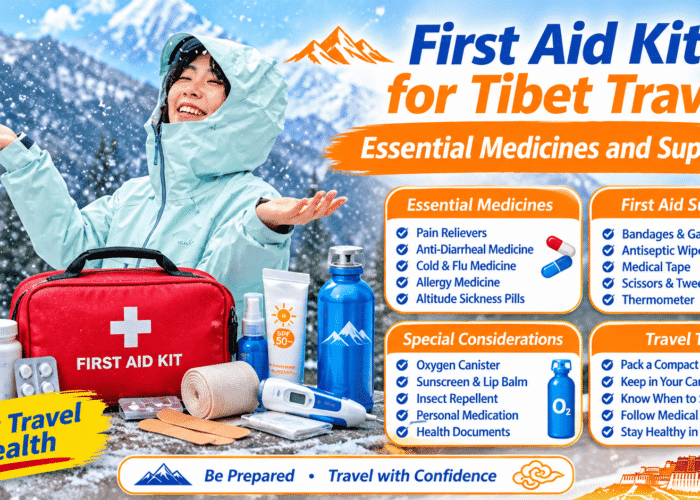
A practical travel kit may include:
- Packaged oral rehydration salts
- Hand sanitizer
- Tissues
- A small supply of safe drinking water
- Any medication prescribed for your medical needs
- A list of allergies and regular medicines
Ask a doctor or travel-health clinic whether you need any additional medicines before departure.
Frequently asked questions
Is traveler’s diarrhea common during international travel?
Yes. It is one of the most frequently reported travel-related illnesses. Risk varies by destination, season, food hygiene and individual exposure.
Is bottled water safe in Tibet?
Sealed bottled water from a reliable source is generally a practical option. Check that the seal is intact. Properly treated or boiled water is another option.
Can I drink yak butter tea if I have diarrhea?
If you are already experiencing diarrhea, choose fluids that you tolerate well and prioritize safe hydration. Rich or unfamiliar drinks may worsen discomfort for some people.
Should I stop eating when I have diarrhea?
Not usually. Continue eating small amounts of food that you can tolerate while replacing lost fluids.
Can I take antibiotics before traveling to prevent diarrhea?
Routine preventive antibiotics are not recommended for most travelers. They can cause side effects and contribute to antibiotic resistance.
How long does traveler’s diarrhea last?
Many acute cases improve within several days, but duration varies by cause. Persistent symptoms need medical evaluation.
Is diarrhea dangerous at high altitude?
It can become serious if it causes dehydration or prevents a traveler from maintaining normal fluid intake. Seek medical advice if symptoms are severe or persistent.
Final advice
Traveler’s diarrhea can disrupt a Tibet tour, but careful food and water choices, good hand hygiene and early rehydration can reduce its impact.
Carry oral rehydration salts, drink safe water and rest when symptoms develop. Seek medical care for blood in the stool, fever, severe pain, repeated vomiting, dehydration or persistent diarrhea.
Medical disclaimer: This article provides general health information and is not a substitute for professional medical advice. Medication decisions, especially antibiotics and anti-diarrheal drugs, should be discussed with a qualified healthcare professional.
Suggested internal links
- Hydration at High Altitude: Water, Electrolytes and Dehydration
- Nutrition at High Altitude: What to Eat in Tibet
- Tibet Travel Checklist: Essential High-Altitude Gear and Safety Tips
- Altitude Sickness in Tibet: Complete Guide for Travelers
- How to Prepare Your Body Before Traveling to Tibet
References
- CDC Yellow Book 2026, Travelers’ Diarrhea.
- CDC Travelers’ Health, Travelers’ Diarrhea.
- CDC Yellow Book 2026, Post-Travel Diarrhea.
- World Health Organization (WHO), Diarrhoeal Disease.