Overview of Mount Makalu
Mount Makalu is one of the most impressive peaks in the Himalayas and the fifth-highest mountain in the world. Located in the Mahalangur Himalaya range, approximately 19 km southeast of Mount Everest, it stands on the international border between Nepal and China’s Tibet Autonomous Region.
Its elevation is commonly listed as 8,463 meters (27,766 feet), although some newer reference sources says 8,485 meters (27,838 feet). The difference reflects variations in published elevation measurements. Makalu is famous for its distinctive four-sided pyramidal shape, steep rock faces, sharp ridges, and extensive glaciers. Its remote location and technically difficult climbing routes make it one of the most challenging mountains among the world’s 8,000-meter peaks.
The mountain’s northern slopes face Tibet, while its southern approaches extend into Nepal’s Makalu-Barun region.
Geography and Mountain Features of mount Makalu
Mount Makalu belongs to the Mahalangur Himalayas, which also include Mount Everest, Lhotse, and several other major Himalayan peaks. Its isolated pyramidal summit is surrounded by steep ridges, snowfields, glaciers, and deep valleys. The mountain’s exposed rock and ice sections make climbing particularly demanding.
Two important subsidiary peaks are:
- Kangchungtse (Makalu II): Approximately 7,678 meters high, located northwest of the main summit.
- Chomo Lonzo: Approximately 7,804 meters high, situated northeast of Makalu.
The northern side of the mountain overlooks the remote Kangshung region of Tibet, an area known for its dramatic Himalayan landscapes and difficult access. Makalu’s surrounding glaciers and steep mountain walls create a spectacular high-altitude environment that attracts experienced mountaineers and researchers.
Mount Makalu Climbing History
Mount Makalu has an important place in the history of Himalayan mountaineering. Its steep faces, exposed ridges, and unpredictable weather presented serious challenges to early expeditions.
1954: First Ascent of Kangchungtse (Makalu II)
In October 1954, a French reconnaissance expedition successfully climbed Kangchungtse, also known as Makalu II. Jean Franco, Gyaltsen Norbu, and Pa Norbu reached its summit on October 22.
1955: First Ascent of Mount Makalu
On May 15, 1955, French mountaineers Lionel Terray and Jean Couzy became the first climbers to reach the summit of Mount Makalu. They were members of a French expedition led by Jean Franco. The following days saw additional members of the expedition successfully reach the summit, making it a remarkable achievement in Himalayan mountaineering.
1970: First Ascent of the Southeast Ridge
On May 23, 1970, Japanese climbers Y. Ozaki and A. Tanaka completed the first ascent of Makalu’s challenging southeast ridge. This established another important climbing route on the mountain. Today, Makalu remains a technically demanding eight-thousander, requiring considerable mountaineering experience, physical preparation, and careful expedition planning.
Mount Makalu and the Tibetan Side
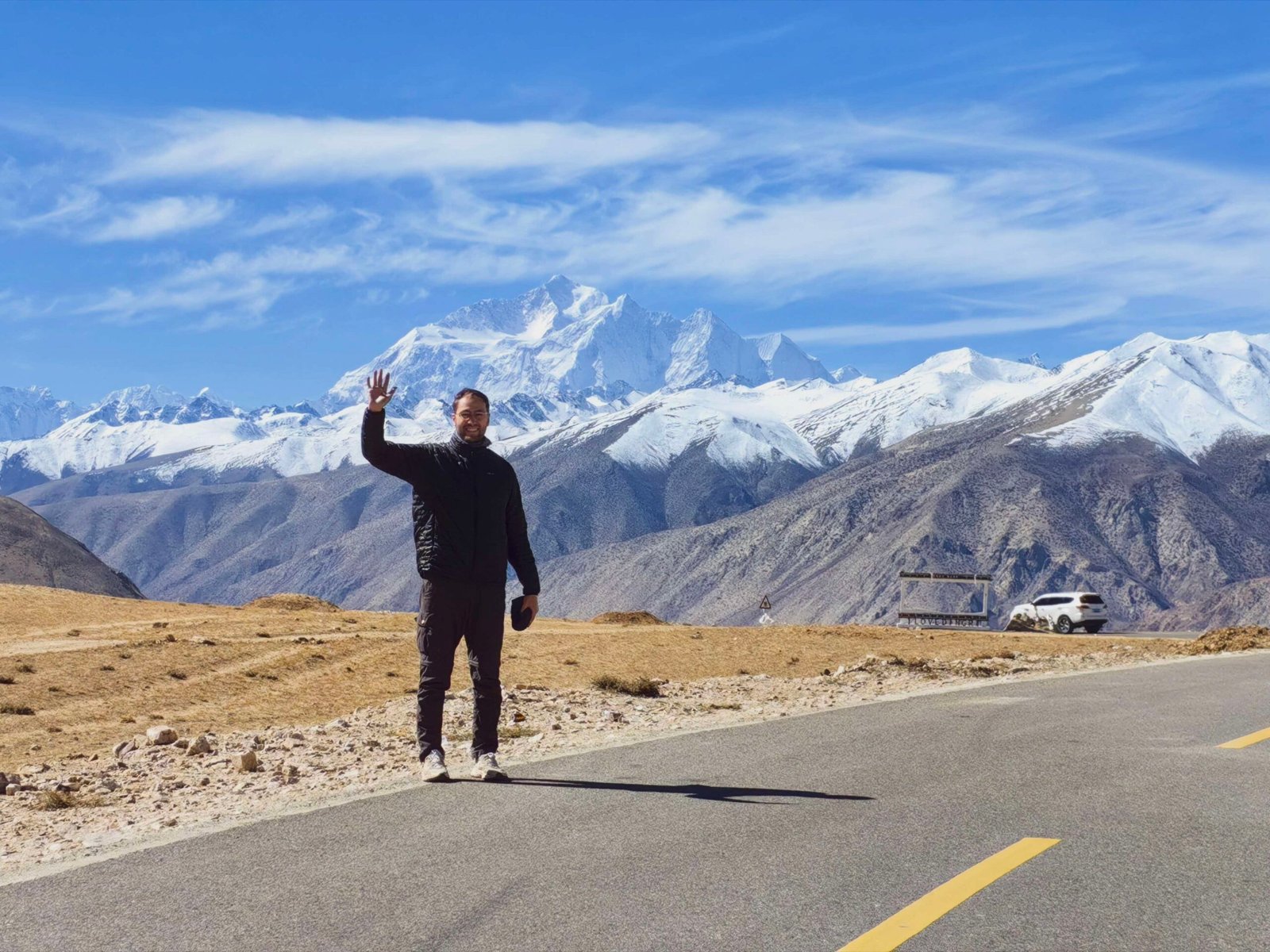
The Tibetan side of Mount Makalu is particularly remote and less visited than the Nepalese side. Its northern and northeastern mountain landscapes form part of the greater Kangshung region, which is also associated with the eastern side of Mount Everest.
Unlike the established trekking approaches in Nepal, the Tibetan side does not have a comparable mainstream tourist route to Makalu Base Camp. Travelers interested in seeing this part of the Himalayas should understand that access to the border region may be restricted. Special travel arrangements and government permissions may be necessary.
How to Reach the Mount Makalu Region from Lhasa
Reaching the Tibetan side of Mount Makalu is not a straightforward sightseeing journey. Although travelers can travel from Lhasa toward Shigatse and Dingri, access to the mountain’s remote northern approaches requires separate route planning.
A general overland journey from Lhasa toward the western and southern Himalayan region passes through:
- Lhasa: Starting point for overland travel across Tibet.
- Gyantse: A historic Tibetan town known for Pelkor Chode Monastery and its Kumbum Stupa.
- Shigatse: The second-largest city in Tibet and an important regional travel center.
- Dingri (Tingri): A high-altitude county with access to the northern Himalayan landscape.
Important: This is a general regional travel direction, not a confirmed road route to Mount Makalu or its base camp. The historical approach through Youpa and Shajitang should not be presented as a currently operational tourist itinerary without verification from local authorities. For mountaineering expeditions, the established approach to Makalu Base Camp is generally from Nepal through the Makalu-Barun region.
Travel Tips for Exploring the Makalu Region
Visiting the remote Himalayan areas around Makalu requires careful preparation.
- Altitude acclimatization: Spend sufficient time adjusting to Tibet’s high elevation before traveling into remote mountain areas.
- Travel permits: Foreign visitors must follow applicable Tibet travel regulations and obtain additional permissions where required.
- Weather preparation: Conditions can change rapidly, with strong winds, snow, and freezing temperatures.
- Local support: Arrange experienced guides, suitable vehicles, and reliable logistical support.
- Route verification: Confirm road conditions, border restrictions, and local access arrangements before departure.
Frequently Asked Questions About Mount Makalu
How high is Mount Makalu?
- Mount Makalu is traditionally listed at 8,463 meters (27,766 feet). Some newer references, including Wikipedia, list 8,485 meters (27,838 feet).
Where is Mount Makalu located?
- It is located in the Mahalangur Himalayas on the international border between Nepal and China’s Tibet Autonomous Region, approximately 19 km southeast of Mount Everest.
Is Mount Makalu the fifth-highest mountain in the world?
- Yes. Makalu is the world’s fifth-highest mountain and one of the 14 peaks exceeding 8,000 meters.
When was Mount Makalu first climbed?
- Mount Makalu was first successfully climbed on May 15, 1955, by French mountaineers Lionel Terray and Jean Couzy.
Can tourists visit Mount Makalu from Tibet?
- The Tibetan side is remote and subject to regional travel restrictions. Visitors should check current government permissions and access conditions before planning a journey.
What are the main subsidiary peaks of Mount Makalu?
- The two prominent subsidiary peaks are Kangchungtse (Makalu II), approximately 7,678 meters, and Chomo Lonzo, approximately 7,804 meters.
Conclusion
Mount Makalu is one of the most remarkable mountains in the Himalayas. Its distinctive pyramid-shaped summit, enormous glaciers, and challenging climbing routes make it an important destination in the history of Himalayan mountaineering.
Although the Nepalese side has established trekking and expedition routes, the Tibetan side remains relatively remote and difficult to access. For travelers exploring the Himalayas from Tibet, Makalu represents another fascinating part of the region’s extraordinary mountain landscape.
References and further reading
- Mount Makalu – Wikipedia – Geography, elevation, subsidiary peaks, and climbing history.
- Nepal Tourism Board – Makalu – Mountain profile, traditional elevation, and historical expeditions.
- Chomo Lonzo – Wikipedia – Information about the neighboring mountain.