Overview of Mount Lhotse
Mount Lhotse, standing at 8,516 meters (27,940 feet) above sea level, is the fourth-highest mountain in the world. Located in the Mahalangur Himalayas along the international border between Nepal and China’s Tibet Autonomous Region, Lhotse is closely connected to Mount Everest.
The Tibetan name Lhotse (ལྷོ་རྩེ་) means “South Peak,” reflecting its geographical position south of Everest. The two mountains are separated by the South Col, a high mountain pass at approximately 7,906 meters that forms part of the traditional Everest climbing route. Lhotse is famous for its enormous ice-covered slopes, dramatic mountain faces, and challenging climbing routes. Its southern face is particularly impressive, rising steeply above the Khumbu Valley.
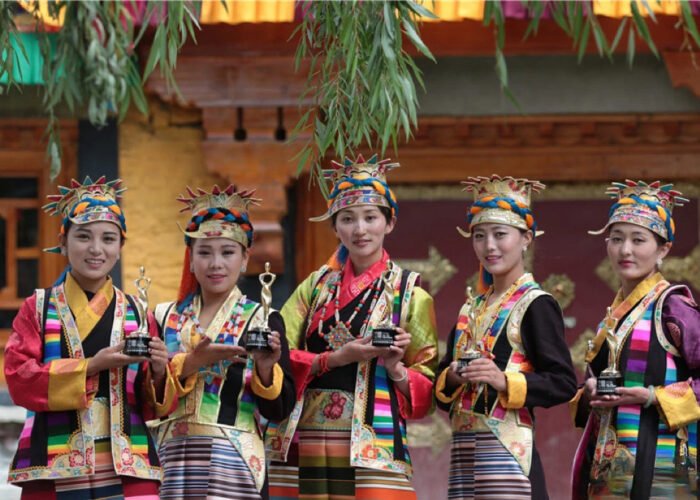
In Tibetan spiritual traditions, Lhotse is also associated with Tingkyi Shalzangma, one of the Five Long-Life Sisters, adding cultural and religious significance to this Himalayan giant.
Geography and Mountain Features
Mount Lhotse belongs to the Mahalangur Himalaya range, which includes Mount Everest, Makalu, and Cho Oyu. It lies approximately 3 kilometers south of Everest and forms an important part of the greater Everest massif.
The mountain has three principal summits:
- Lhotse Main: 8,516 meters, the main summit and fourth-highest mountain in the world.
- Lhotse Middle: Approximately 8,414 meters, also known as Lhotse East.
- Lhotse Shar: 8,383 meters, located along the southeastern ridge.
These summits are connected by a high mountain ridge and form one of the most impressive mountain groups in the Everest region.
Glaciers and Challenging Terrain
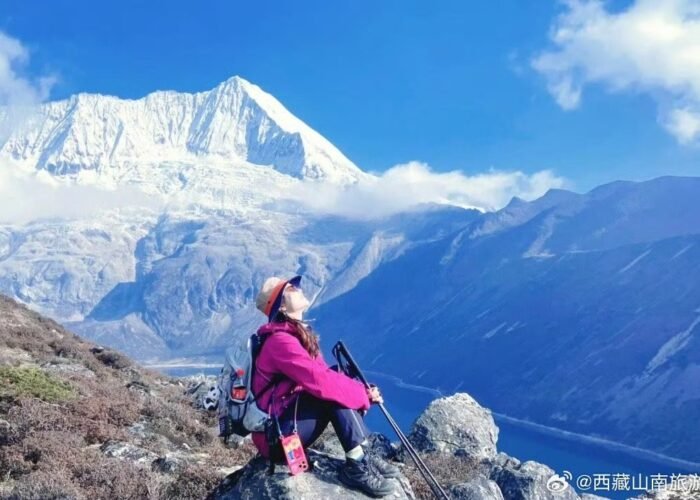
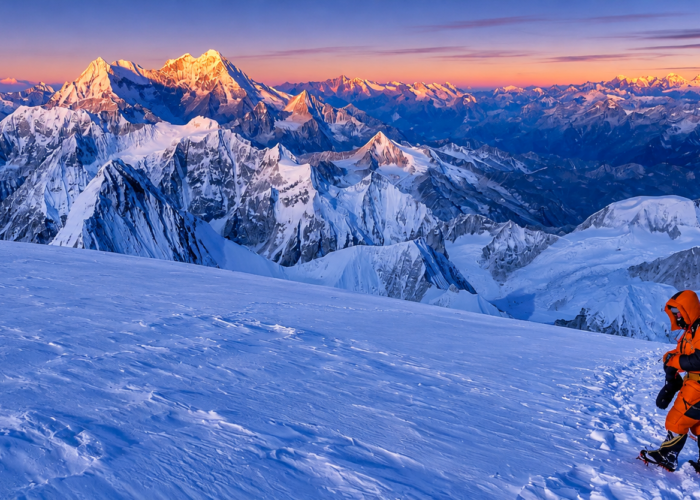
Lhotse’s landscape features extensive glaciers, steep ice walls, rugged rock formations, and permanent snowfields. The famous Lhotse Face is a major section of the standard climbing route toward the upper mountain.
The high-altitude environment creates several serious climbing hazards:
- Avalanches and falling ice.
- Deep crevasses and unstable glacier surfaces.
- Extreme cold and powerful winds.
- Altitude sickness caused by reduced oxygen availability.
- Sudden weather changes and limited visibility.
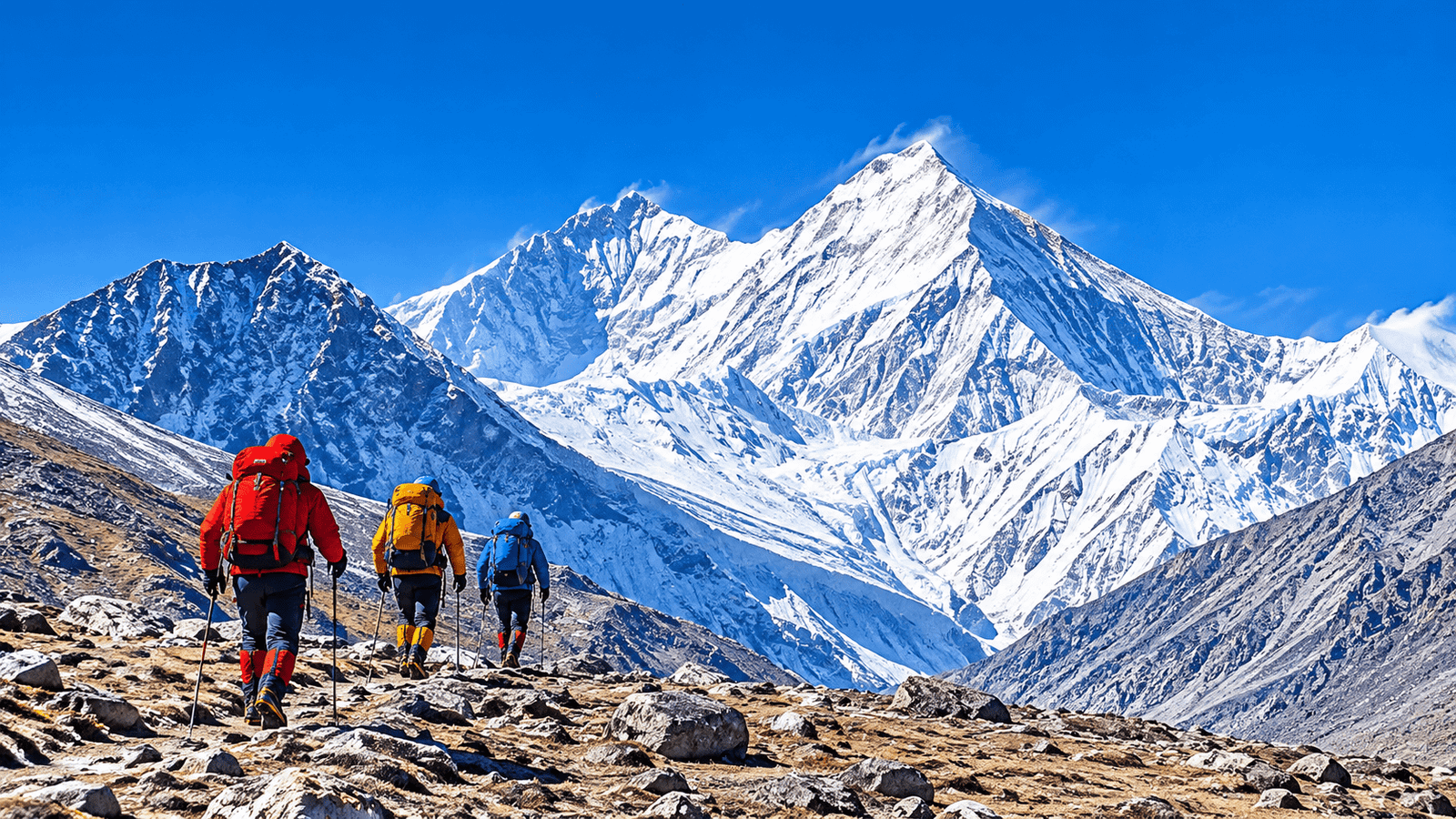
The mountain requires considerable mountaineering experience, specialized equipment, and careful expedition planning.
Mount Lhotse and the Five Long-Life Sisters
In Tibetan Buddhist tradition, Mount Lhotse is associated with the Tshering Che Nga, known as the Five Long-Life Sisters. These five female protective deities are traditionally connected with longevity, prosperity, well-being, and spiritual protection. The deity associated with Lhotse is known as Tingkyi Shalzangma, traditionally depicted as a green goddess riding a wild horse.
According to traditional descriptions, she carries a magical mirror and a wooden staff decorated with colorful ribbons. She is also associated with divination and the interpretation of fortune. This spiritual connection reflects the important place of sacred mountains in Tibetan culture, where natural landscapes are closely linked with religious beliefs and traditional stories.
Visitors exploring the Everest region should respect local religious customs and the cultural significance of these mountains.
Mount Lhotse Climbing History
Mount Lhotse has a distinguished history in Himalayan mountaineering. Its proximity to Everest and extremely steep terrain have attracted international expeditions since the early 1950s.
1956: First Successful Ascent
On May 18, 1956, Swiss mountaineers Ernst Reiss and Fritz Luchsinger became the first climbers to reach the summit of Mount Lhotse. They were members of the Swiss Everest–Lhotse expedition led by Albert Eggler. Their achievement established Lhotse as one of the world’s major eight-thousander climbing destinations.
1970: First Ascent of Lhotse Shar
On May 12, 1970, Austrian climbers Sepp Mayerl and Rolf Walter completed the first ascent of Lhotse Shar, the southeastern subsidiary summit.
1988: First Winter Ascent
On December 31, 1988, Polish mountaineer Krzysztof Wielicki achieved the first winter ascent of Mount Lhotse, adding another major milestone to Himalayan climbing history.
2001: First Ascent of Lhotse Middle
On May 23, 2001, a Russian expedition successfully climbed Lhotse Middle. The summit had remained one of the highest unclimbed named points in the world. These achievements established Lhotse as one of the most important mountains in the history of high-altitude mountaineering.
Mount Lhotse and Mount Everest: What Is the Difference?
Mount Lhotse and Mount Everest are neighboring peaks in the Mahalangur Himalayas. Although they are separate mountains, they share part of the same geographical landscape and traditional climbing approach.
| Feature | Mount Lhotse | Mount Everest |
|---|---|---|
| Elevation | 8,516 m | 8,848.86 m |
| World ranking | Fourth-highest | Highest |
| Location | Tibet–Nepal border | Tibet–Nepal border |
| Mountain range | Mahalangur Himalayas | Mahalangur Himalayas |
| Main connection | South Col | South Col |
The South Col connects the two mountains and is an important part of the traditional southern Everest climbing route. Climbers attempting Everest and Lhotse share sections of the approach before following separate routes toward their respective summits.
How to Reach the Mount Lhotse Viewpoint from Tibet
The northern and eastern Himalayan landscapes around Mount Lhotse can be explored from the Dingri region of Shigatse, Tibet. However, reaching a specific viewpoint requires checking current road access and local travel permissions.
A general overland journey from Lhasa toward the Everest region follows this route:
Stage 1: Lhasa to Shigatse
Travel southwest from Lhasa through Gyantse toward Shigatse. This journey passes traditional Tibetan settlements, high-altitude valleys, and historic cultural sites.
Stage 2: Shigatse to Dingri
Continue west toward Dingri County, an important starting point for exploring the northern Himalayan region. The journey offers views of some of Tibet’s most impressive mountain landscapes.
Stage 3: Exploring the Lhotse Region
The historical route described in regional accounts continues from Dingri toward Qiezha and Qudang Township, followed by travel on foot or horseback toward Baitang Pasture. These historical route descriptions should not be treated as confirmation of a currently operational tourist route. The precise locations, road conditions, and availability of viewpoints should be verified locally.
Travel note: Mount Lhotse is not a conventional sightseeing destination. Visitors should confirm access permissions and arrange authorized local transportation and guiding services before traveling toward remote mountain areas.
Travel Tips for Visiting the Lhotse Region
Traveling around Mount Lhotse requires careful preparation because of the high altitude, remote terrain, and proximity to the international border.
- Allow time for acclimatization: Gradually adjust to Tibet’s altitude before traveling into higher mountain areas.
- Check permits and access rules: Confirm current Tibet travel requirements and additional restrictions affecting border regions.
- Prepare for cold weather: Bring warm layers, windproof clothing, and sun protection.
- Arrange local support: Use qualified local guides and reliable transportation.
- Respect Tibetan traditions: Follow local guidance concerning sacred mountains and religious customs.
- Confirm route conditions: Historical roads, walking routes, and horseback transportation may no longer be available.
Is Mount Lhotse Worth Visiting?
For travelers interested in Himalayan geography, Tibetan spirituality, and mountaineering history, Mount Lhotse is an extraordinary mountain to discover. Its enormous elevation, spectacular glaciers, and close relationship with Mount Everest make it one of the defining peaks of the central Himalayas. Its association with the Five Long-Life Sisters also gives the mountain an important place in Tibetan spiritual traditions.
Although reaching the mountain’s remote areas requires additional planning, the surrounding Everest region offers remarkable opportunities to experience the natural beauty and cultural heritage of Tibet.
Frequently Asked Questions About Mount Lhotse
How high is Mount Lhotse?
- Mount Lhotse is 8,516 meters (27,940 feet) high, making it the fourth-highest mountain in the world.
Where is Mount Lhotse located?
- Mount Lhotse is located in the Mahalangur Himalayas along the border between Tibet, China, and Nepal, immediately south of Mount Everest.
What does the name Lhotse mean?
- Lhotse is a Tibetan name meaning “South Peak,” referring to its position south of Mount Everest.
When was Mount Lhotse first climbed?
- Mount Lhotse was first successfully climbed on May 18, 1956, by Swiss mountaineers Ernst Reiss and Fritz Luchsinger.
What is the connection between Lhotse and the Five Long-Life Sisters?
- In Tibetan Buddhist tradition, Lhotse is associated with Tingkyi Shalzangma, one of the Five Long-Life Sisters, a group of protective female deities.
Can tourists visit Mount Lhotse from Tibet?
- Travelers may explore authorized areas around the Everest region, but access to specific mountain viewpoints depends on current regulations, local permissions, and road conditions.
What is the difference between Lhotse Main, Lhotse Middle, and Lhotse Shar?
- They are three principal summits of the Lhotse massif. Lhotse Main is 8,516 meters, Lhotse Middle approximately 8,414 meters, and Lhotse Shar 8,383 meters.
Conclusion
Mount Lhotse is one of the most impressive mountains in the Tibetan Himalayas. As the world’s fourth-highest peak, it combines spectacular glaciers, challenging climbing routes, a distinguished mountaineering history, and a rich connection to Tibetan spiritual traditions. Its close relationship with Mount Everest makes it an essential part of the geography of the Himalayan region, while its association with the Five Long-Life Sisters reveals the cultural significance of Tibet’s sacred mountains.
For travelers interested in Tibet’s natural landscapes, mountain culture, and Himalayan exploration, Mount Lhotse is a remarkable destination to discover.
References and Further Reading
- Lhotse – Wikipedia – Geography, elevation, mountain features, and climbing history.
- Nepal Tourism Board – Lhotse – Mountain profile, subsidiary peaks, and climbing records.
- Himalayan Database – Lhotse – Expedition records and first ascent.
- Guinness World Records – First Ascent of Lhotse – Historical first ascent information.