

Daklha Gampo Monastery is one of the important historic monasteries of the Kagyu school of Tibetan Buddhism. Founded in 1121 by Gampopa (1079–1153), a renowned disciple of Jetsun Milarepa, the monastery became one of the major centers for the development and study of the Kagyu tradition in Tibet.
The monastery is located in Gyaca County, Shannan (Lhoka), southern Tibet, in the historic region of Dakpo. It stands on a ridge near the Gyabpurong River, close to its junction with the Yarlung Tsangpo River.
For travelers interested in Tibetan Buddhist history, sacred landscapes, ancient monasteries, and the origins of the Kagyu tradition, Daklha Gampo is an important cultural destination in Shannan.
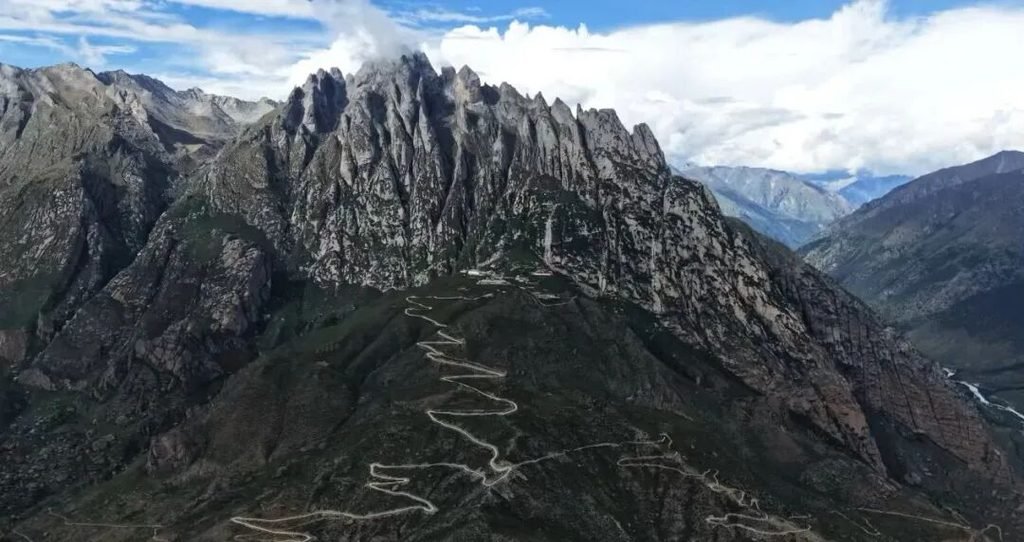
Where Is Daklha Gampo Monastery?
Daklha Gampo Monastery is located in Gyaca County in Shannan City, Tibet Autonomous Region, in the historic Dakpo region of southern Tibet.
The monastery sits on a ridge northeast of the eight-peaked Daklha Gampo mountain range, from which the monastery takes its name. It is situated on the right bank of the Gyabpurong River, just north of its meeting point with the Yarlung Tsangpo. Its location places the monastery within one of Tibet’s historically important Buddhist and cultural regions.
History of Daklha Gampo Monastery
Daklha Gampo Monastery was founded in 1121 by Gampopa, also known as Dakpo Lhaje. Born in 1079, Gampopa became one of the most influential masters in the early development of the Kagyu school after receiving teachings and transmissions from Milarepa. After Milarepa’s death, Gampopa established himself at Daklha Gampo. He taught numerous disciples there, many of whom became important figures in the expansion of the Kagyu tradition.
As a result, Daklha Gampo developed into a major center of Kagyu Buddhist teaching and practice. Historical sources describe it as an important center for the study and practice of Mahamudra, one of the major meditation traditions of Tibetan Buddhism. The monastery therefore occupies an important position in the history of Tibetan Buddhism and the development of the Kagyu lineage.
Gampopa and the Kagyu Tradition
Gampopa is one of the central figures in the history of the Kagyu school. He combined the teachings he received from Milarepa with the broader Buddhist traditions he had studied earlier in his life. At Daklha Gampo, he established a major center for teaching and trained disciples who helped spread the Kagyu tradition throughout Tibet.
The monastery subsequently became closely associated with the Dagpo Kagyu tradition. The influence of Gampopa’s teachings extended far beyond Daklha Gampo. His students and later lineages contributed to the formation and expansion of several major Kagyu traditions across Tibet.
For this reason, Daklha Gampo is not simply an old Tibetan monastery—it is an important site for understanding the historical development of Tibetan Buddhist lineages.
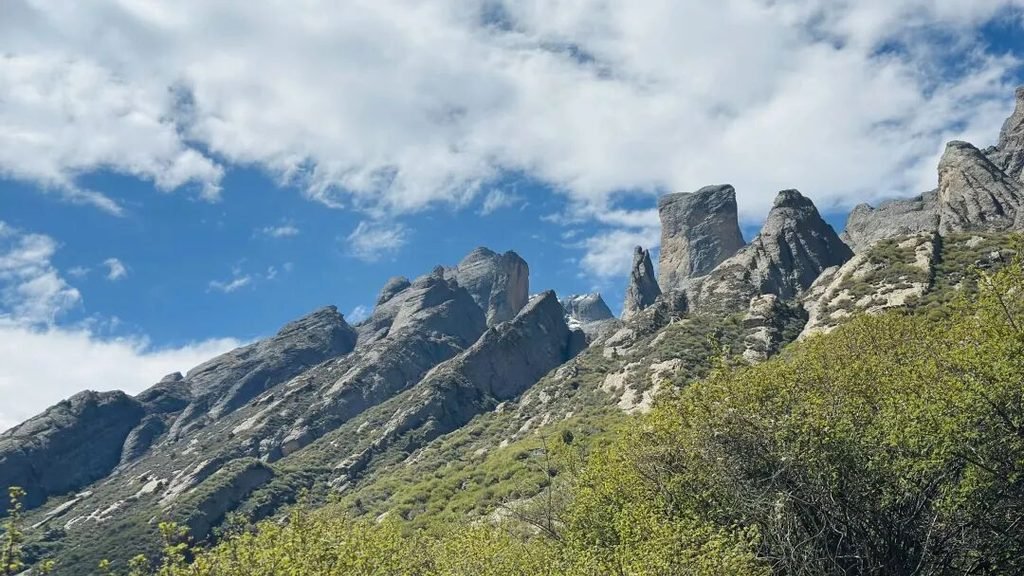
Daklha Gampo and Mahamudra
One of the monastery’s most important historical associations is with Mahamudra, a central meditation and philosophical tradition within Tibetan Buddhism. Under Gampopa and his successors, Daklha Gampo became an important center for the study and practice of Mahamudra.
For students of Tibetan Buddhism, this connection gives the monastery significance beyond its architecture and location. It represents an important stage in the transmission and institutional development of Kagyu Buddhist teachings.
Sacred Landscape and the “Ogress” Tradition
The area around Daklha Gampo also has an important place in traditional Tibetan sacred geography. According to historical accounts, the land on which the monastery stands was regarded as a geomantic power place, traditionally associated with the “head of the ogress” in Tibetan sacred geography. The location is also associated with Songtsen Gampo, the early Tibetan emperor.
The area is further connected with the tradition of terma, or concealed Buddhist treasures, associated with Padmasambhava. These traditions demonstrate how Tibetan Buddhist sacred geography often combines landscape, mythology, religious history, and pilgrimage traditions.
Mount Gampodar and the Tibetan Book of the Dead
One of the most significant historical associations of the Daklha Gampo area is Mount Gampodar, located within the monastery’s territory. According to the historical tradition cited by Wikipedia, the great tertön Karma Lingpa discovered the famous Bardo Thodol Chenmo, commonly known in English as the Tibetan Book of the Dead, at Mount Gampodar during the 14th century.
The connection between Daklha Gampo and Karma Lingpa adds another important dimension to the religious history of the area.
The Bardo Thodol is one of the best-known works associated with Tibetan Buddhism and is traditionally connected with teachings concerning the intermediate state between death and rebirth.
Destruction and Reconstruction
Daklha Gampo has experienced several periods of destruction and reconstruction throughout its history.
The monastery was destroyed by the Dzungar Mongols in 1718 but was subsequently rebuilt. It suffered further destruction following the events of the 20th century, after which parts of the monastery were restored.
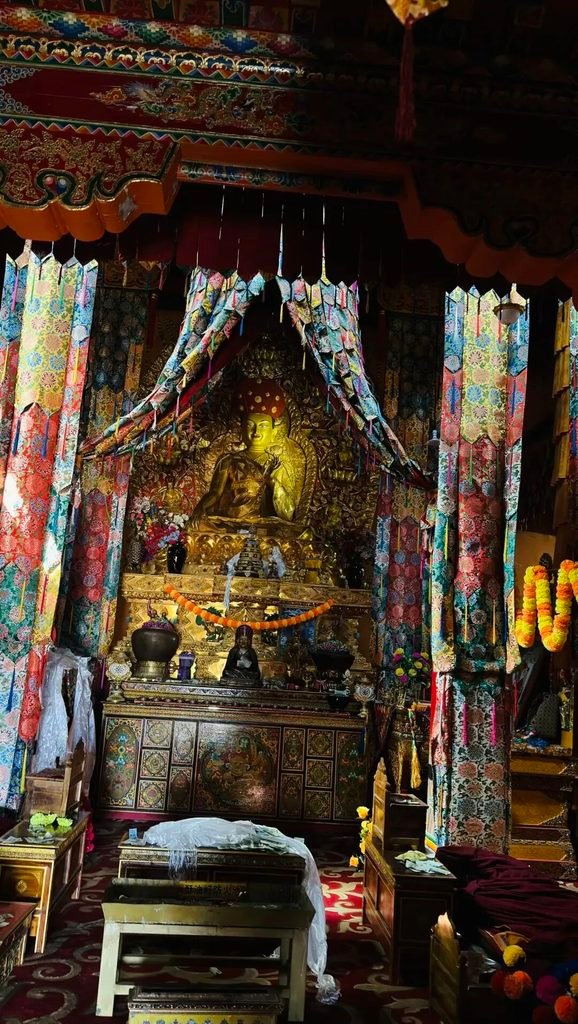
Despite these periods of destruction, some important religious images survived. Historical sources note that original images of Avalokiteshvara and Cakrasamvara remain at the monastery.
The survival of these religious artworks contributes significantly to the monastery’s cultural and historical value.
Architecture and Religious Heritage
Daklha Gampo is a mountain monastery whose buildings are closely integrated with the surrounding landscape.
Although much of the historic complex was destroyed over the centuries, restored chapels and surviving religious artworks continue to represent the monastery’s long Buddhist heritage.
Visitors interested in Tibetan Buddhist architecture should pay attention not only to the buildings themselves but also to their relationship with the surrounding sacred landscape.
The combination of mountain terrain, religious structures, Buddhist images, and pilgrimage traditions gives Daklha Gampo a character distinct from the larger urban monasteries of Lhasa.
Why Daklha Gampo Is Important
Daklha Gampo is important for several interconnected reasons:
- Monastery was founded by Gampopa, one of the most influential early Kagyu masters.
- It dates back to 1121, making it a monastery with more than 900 years of history.
- Daklha Gampo became an important center of Kagyu Buddhism and Mahamudra practice.
- It is associated with the Dagpo Kagyu tradition.
- The surrounding area has an important place in Tibetan sacred geography.
- Mount Gampodar, within the monastery’s territory, is traditionally associated with Karma Lingpa’s discovery of the Tibetan Book of the Dead.
- Important Buddhist images, including representations of Avalokiteshvara and Cakrasamvara, have survived at the site.
Daklha Gampo for Travelers
Monastery of Daklha Gampo is particularly interesting for travelers who want to explore Tibet beyond the best-known attractions of Lhasa and Shigatse.
It is suitable for those interested in:
Tibetan Buddhist History
The monastery provides an opportunity to explore the early development of the Kagyu tradition and the legacy of Gampopa and Milarepa.
Kagyu Buddhism
Travelers interested in Tibetan Buddhist schools can learn about the historical role of the monastery in the development of the Kagyu lineage.
Sacred Geography
The monastery’s location is connected with traditional Tibetan concepts of sacred landscapes, geomancy, and hidden Buddhist treasures.
Shannan’s Cultural Heritage
Located in Gyaca County, Daklha Gampo can be incorporated into a wider exploration of Shannan, one of Tibet’s most historically significant regions.
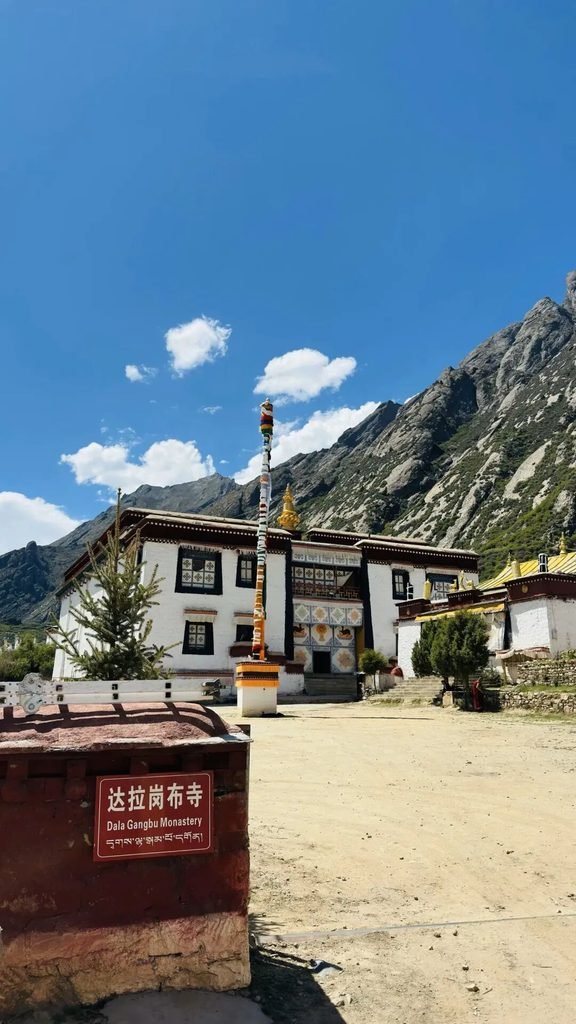
Travel Tips for Visiting Daklha Gampo
Daklha Gampo is located in a mountainous area, so travelers should prepare appropriately.
- Check current local access and opening conditions before traveling.
- Follow monastery rules and local religious customs.
- Dress respectfully when visiting religious sites.
- Follow photography restrictions inside chapels and temples.
- Do not enter restricted areas.
- Avoid climbing sacred rocks, buildings, or religious structures.
- Wear suitable shoes for uneven mountain paths.
- Allow time for altitude acclimatization when traveling in Tibet.
- Avoid disturbing pilgrims or religious activities.
- Keep the monastery and surrounding landscape clean.
Frequently Asked Questions
Where is Daklha Gampo Monastery?
Daklha Gampo Monastery is located in Gyaca County, Shannan, Tibet, in the historic region of Dakpo. It stands near the Gyabpurong River and the Yarlung Tsangpo.
When was Daklha Gampo Monastery founded?
The monastery was founded in 1121 CE by Gampopa, also known as Dakpo Lhaje.
Who founded Daklha Gampo Monastery?
Daklha Gampo was founded by Gampopa (1079–1153), a disciple of the famous Tibetan Buddhist master Milarepa.
Which Buddhist school does Daklha Gampo belong to?
Daklha Gampo belongs to the Kagyu school of Tibetan Buddhism and is particularly associated with the Dagpo Kagyu tradition.
What is Daklha Gampo famous for?
Daklha Gampo is famous for its association with Gampopa, its role in the development of Kagyu Buddhism and Mahamudra practice, its sacred landscape, and its connection with Mount Gampodar and the traditional discovery of the Tibetan Book of the Dead.
Is Daklha Gampo worth visiting?
For travelers interested in Tibetan Buddhist history, Kagyu traditions, ancient monasteries, and the cultural heritage of Shannan, Daklha Gampo is a particularly meaningful destination.
Conclusion
Daklha Gampo Monastery is one of the historic centers of the Kagyu tradition in Tibet. Founded in 1121 by Gampopa, the great disciple of Milarepa, it played an important role in the development of Kagyu teachings and became a major center for Mahamudra practice.
Its history extends beyond the monastery itself. The surrounding sacred landscape is associated with Songtsen Gampo, Padmasambhava, Gampodar Mountain, and Karma Lingpa’s traditional discovery of the Tibetan Book of the Dead.
Today, Daklha Gampo offers travelers an opportunity to explore an important but less-visited part of Shannan’s Tibetan Buddhist heritage. For those looking beyond Tibet’s most famous monasteries, it is a destination with exceptional historical and religious significance.