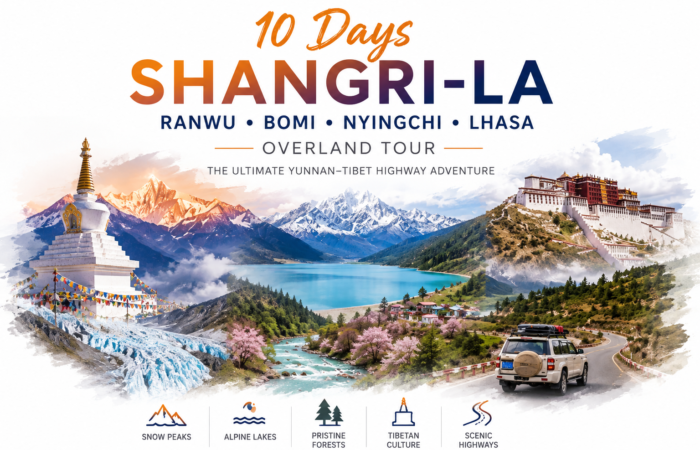
This 10-day Yunnan to Tibet overland tour follows the spectacular Yunnan–Tibet Highway before joining the famous Sichuan–Tibet Highway (G318) and continuing to Lhasa. Starting in Shangri-La, historically known as Zhongdian or Gyalthang, the journey crosses the mountain landscapes of northwest Yunnan and eastern Tibet before reaching the Tibetan capital.
Along the way, visit the impressive Ganden Sumtseling Monastery, admire the sacred Meili Snow Mountain range near Deqin, follow historic trade routes through Markam, and discover the forests, river valleys and alpine scenery around Ranwu Lake, Bomi and Nyingchi. The journey concludes with two nights in Lhasa, including visits to the Potala Palace, Jokhang Temple and Barkhor pilgrimage circuit.
Unlike a flight directly to Lhasa, this overland journey reveals the gradual transformation of the landscape from Yunnan’s highland valleys to the dramatic mountains of the Tibetan Plateau.
The route follows the established G214 corridor from Shangri-La toward Deqin and Markam, where it joins G318 for the journey toward Lhasa. Road conditions, mountain weather and travel times can change, so the final itinerary should be confirmed shortly before departure
Overnight: Shangri-La
Welcome to Shangri-La, also known by its Tibetan name Gyalthang. Located in northwest Yunnan, this highland town is an excellent introduction to Tibetan culture and architecture.
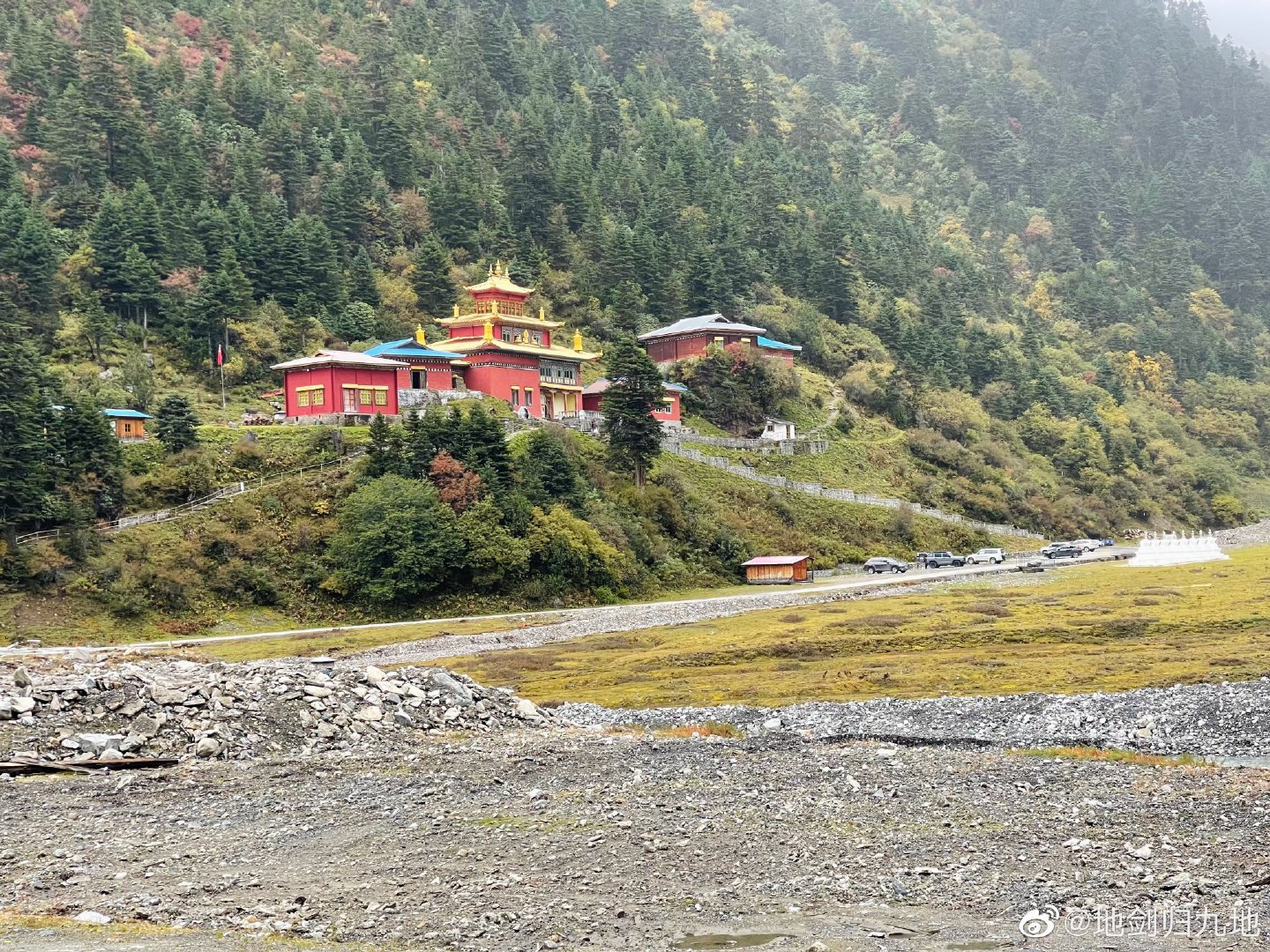
Visit Ganden Sumtseling Monastery, one of the region’s most important Tibetan Buddhist monasteries. Founded in the 17th century, the monastery is known for its grand assembly halls, golden rooftops, religious artwork and traditional Tibetan architecture.
Spend time exploring the surrounding Tibetan settlement or walking through the old town before resting for the journey ahead.
Approx. 180–190 km · Overnight: Deqin or Feilaisi
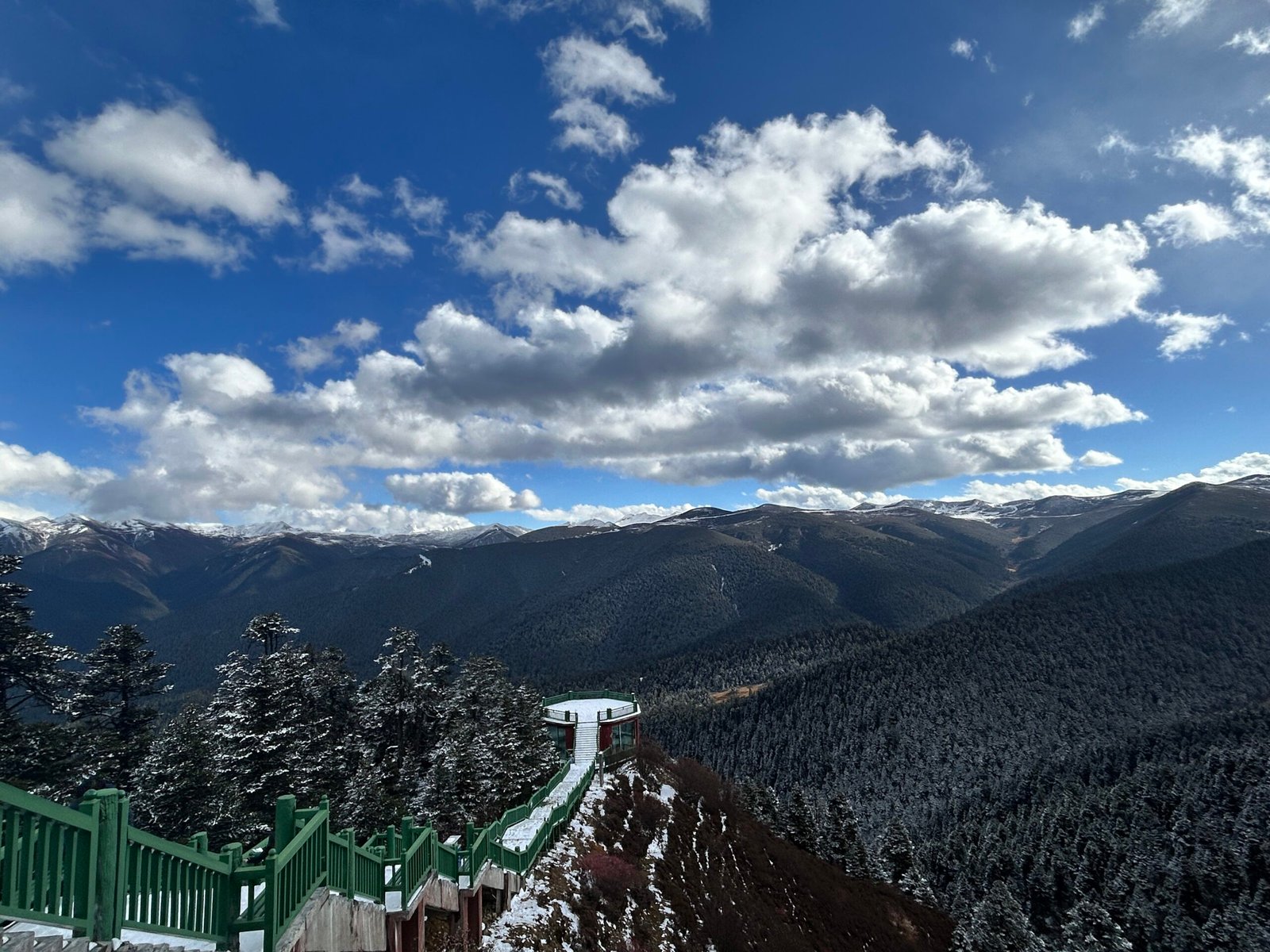
Leave Shangri-La and travel north through the scenic countryside, passing Napa Lake and climbing into the rugged mountain region of northwest Yunnan. The route crosses the Baima Snow Mountain area, with a mountain pass of approximately 4,292 metres. This is a high mountain pass, not a 5,570-metre pass as sometimes stated in older itinerary descriptions.
Continue to Deqin, a mountain county famous for its views of Meili Snow Mountain, also called Kawagarbo or Kawa Karpo. If weather permits, visit the Feilaisi viewpoint for panoramic views of the snow-covered peaks. For photography enthusiasts, staying near Feilaisi offers a chance to see the sunrise illuminating the mountains in golden light. This natural phenomenon depends on clear weather and cannot be guaranteed.
Overnight: Markam
Continue north toward Tibet along the historic Yunnan–Tibet corridor. The road passes through steep mountain valleys, river landscapes and scattered Tibetan settlements, following a region historically connected with the Tea Horse Road. This ancient trading network linked tea-producing areas in Yunnan and Sichuan with Tibetan communities, where tea was exchanged for horses and other goods.
Arrive in Markam (Mangkang), an important junction where the Yunnan–Tibet route connects with the Sichuan–Tibet Highway, G318. From here, the journey continues westward through eastern Tibet toward Nyingchi and Lhasa.
Long overland driving day · Overnight: Pasho/Baxoi
Travel west through the rugged landscapes of eastern Tibet. The route winds through deep gorges and mountainous terrain shaped by major rivers, including the Lancang (Mekong) and Jinsha (upper Yangtze) river systems. As the road continues toward Pomda and Pasho, the scenery changes from steep, rocky valleys to more open grasslands and highland settlements.
This is one of the most demanding driving days in the itinerary. Depending on the exact route, roadworks and stops, the original plan’s combined distance of approximately 350–360 km can take most of the day. Start early and avoid scheduling too many sightseeing stops.
Travel planning note: If road conditions or driving times make this stage too long, consider adding an overnight stop and extending the tour by one day.
Overnight: Bomi
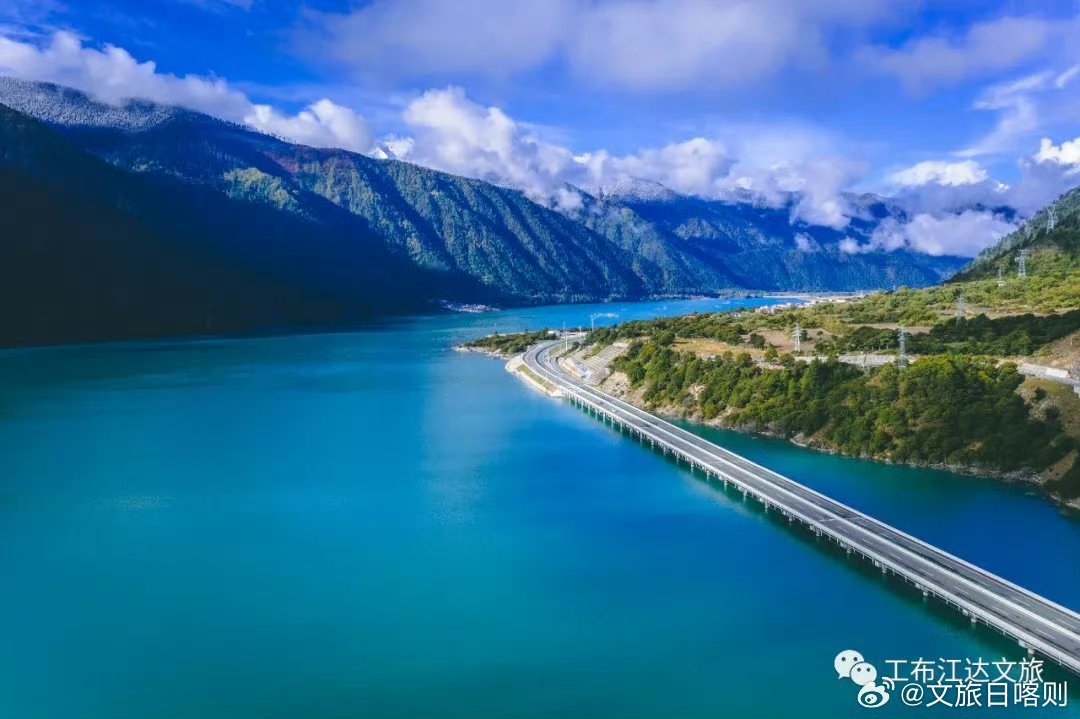
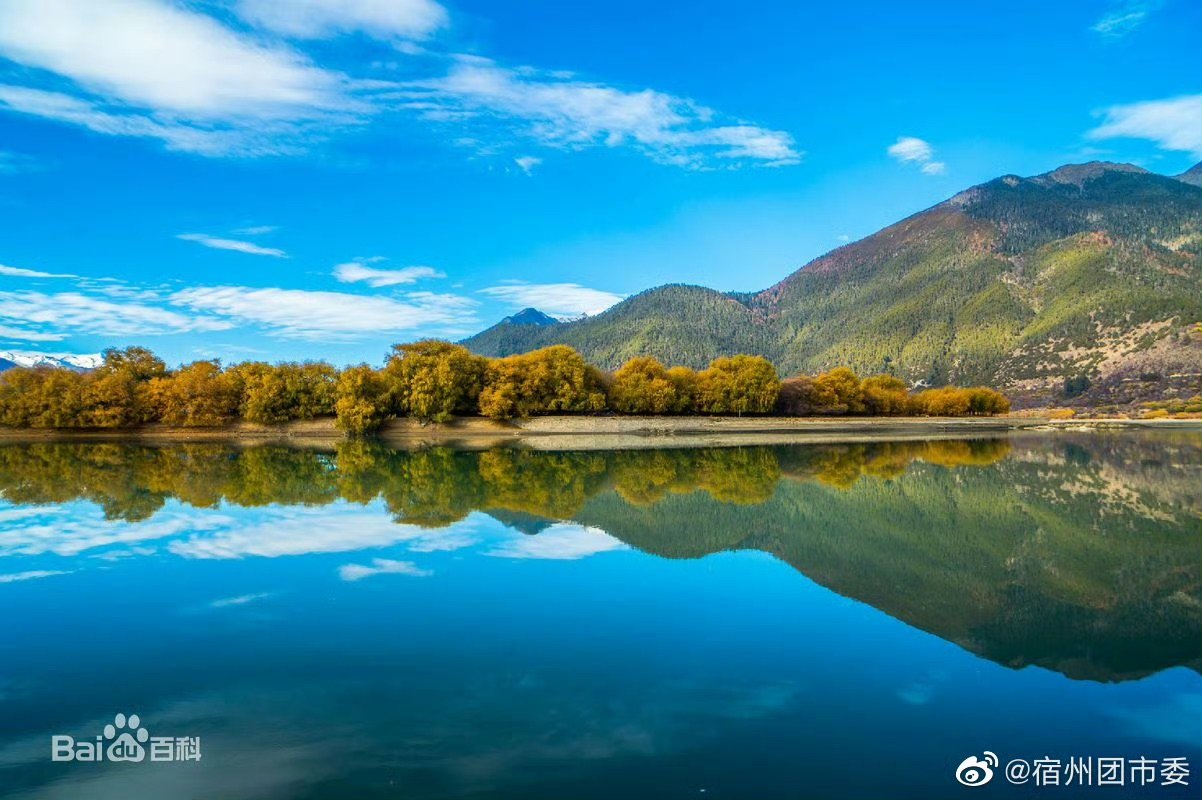
Continue along G318 toward Ranwu Lake, known in Tibetan as Rawu Tso. Set among snow-covered mountains and forested slopes, this alpine lake is one of the most beautiful natural stops on the eastern Tibet route. Depending on the season and water conditions, the lake may appear turquoise, deep blue or green. Sandy shores, mountain reflections and surrounding valleys create excellent opportunities for landscape photography.
Continue through the Parlung Tsangpo valley toward Bomi (Bowo), a town surrounded by forests, rivers and snow-capped peaks. The landscape becomes greener and more humid than the dry highland terrain encountered earlier in the journey. Allow time for scenic stops, but confirm the day’s driving schedule locally, especially if rain or road maintenance affects the route.
Overnight: Nyingchi (Linzhi)
Drive west through one of the most scenic sections of the Sichuan–Tibet Highway. The route follows river valleys, passes dense forests and crosses landscapes where snow mountains rise above green hillsides.
The climate and vegetation change noticeably with elevation. Clear skies in one valley may give way to mist or rain farther along the road, while high mountain peaks can remain snow-covered even during warmer months.
Arrive in Nyingchi (Linzhi), known for its forests, river valleys and relatively mild climate compared with many other parts of the Tibetan Plateau. After several consecutive days of mountain driving, enjoy a relaxed evening and prepare for a day of sightseeing around the Nyingchi region.
Overnight: Nyingchi
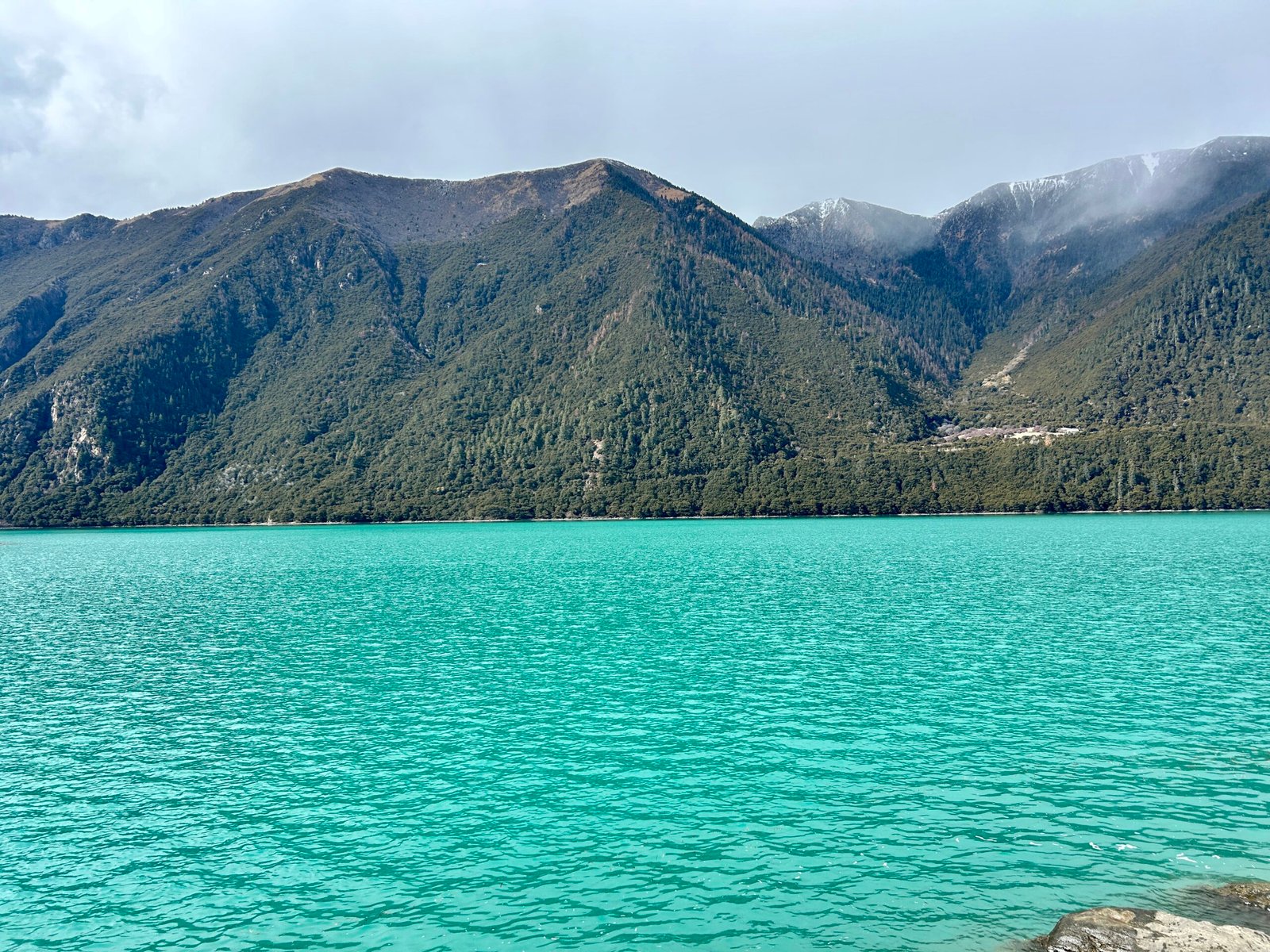
Spend the day exploring the cultural and natural attractions around Nyingchi. Visit Basum Tso (Draksum Tso), a beautiful alpine lake surrounded by forests and mountain peaks. Its island, traditional religious buildings and peaceful lakeside scenery make it an excellent place for photography and a gentle walk.
The lake is associated with the Nyingma school of Tibetan Buddhism and regional religious traditions, including stories connected with Guru Rinpoche (Padmasambhava).
If time and local access allow, continue to Lamaling Temple, an important Nyingma Buddhist site in the Nyingchi region. Its distinctive architecture and forested surroundings provide a different perspective on Tibetan Buddhist culture from the larger monasteries visited earlier.
Return to Nyingchi for a second night. This day provides a welcome break from long-distance driving before continuing to Lhasa.
Overnight: Lhasa
Leave Nyingchi and travel west toward Lhasa, following the highway through the dramatic valleys and highland landscapes of southern Tibet. The scenery gradually changes as you approach the Tibetan capital, with river valleys, mountain ranges and settlements marking the transition toward the central Tibetan plateau.
Driving time depends on the starting point, selected route, road conditions and sightseeing stops. Even with improved highway infrastructure, this is a substantial transfer day, so confirm the schedule with your driver and guide. Arrive in Lhasa and check in to your hotel. Keep the evening relaxed, drink water regularly and avoid strenuous exercise while acclimatizing to the city’s altitude of approximately 3,650 metres.
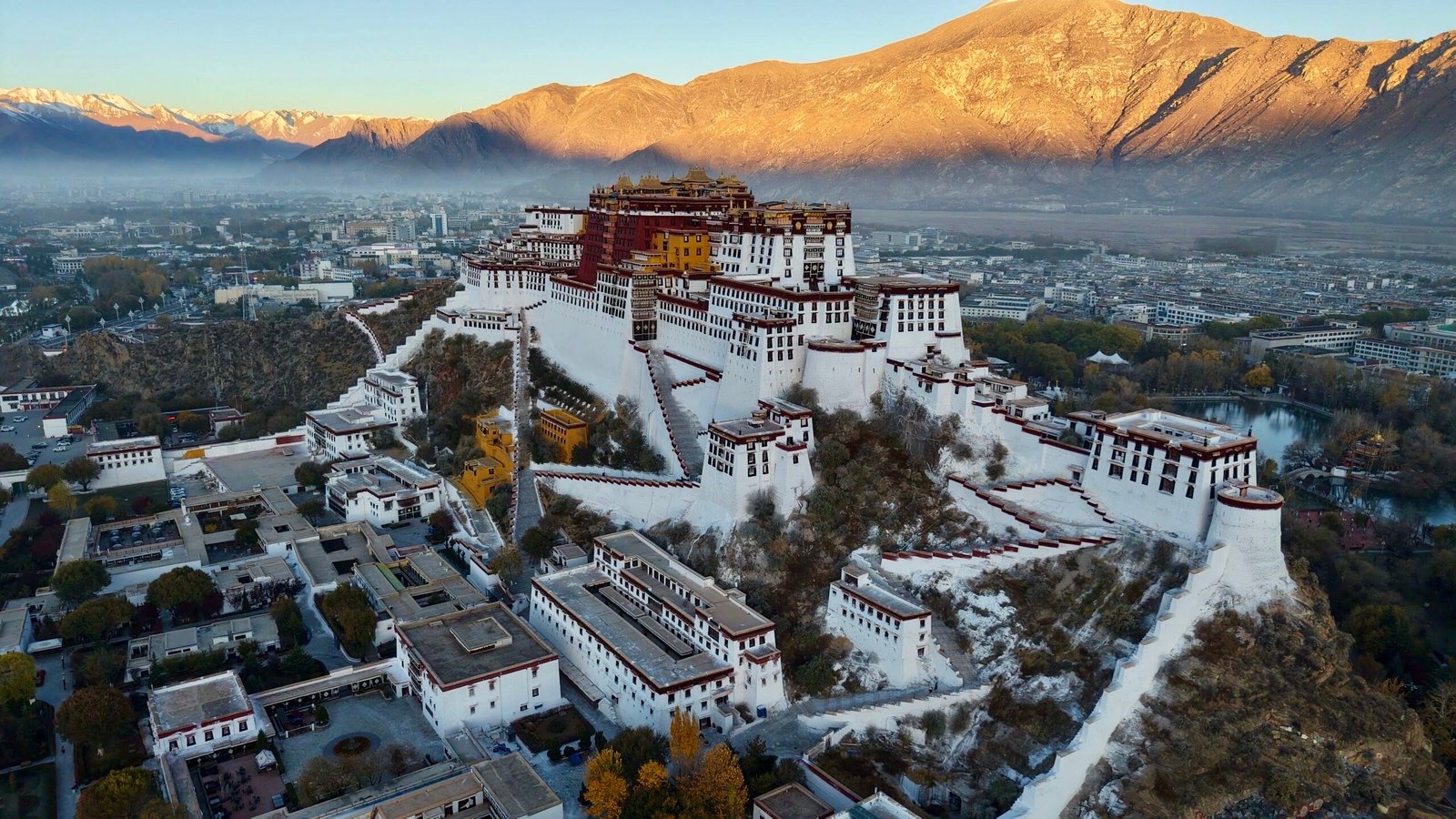
Begin sightseeing at Potala Palace, the iconic landmark of Lhasa and a former winter palace of the Dalai Lamas. Explore its chapels, assembly halls, murals and historic collections during your reserved visiting time. Continue to Jokhang Temple, one of the most sacred pilgrimage destinations in Tibetan Buddhism. The temple is an important centre of devotion for Tibetan pilgrims and houses the revered Jowo Shakyamuni Buddha image.
After the temple visit, walk around the Barkhor, the traditional pilgrimage circuit surrounding Jokhang Temple. Its streets combine religious life, traditional architecture, local shops and Tibetan handicrafts. Follow your guide’s instructions regarding photography, appropriate behaviour and access to religious areas. Inside many temple halls, photography is prohibited.
Enjoy breakfast at your hotel before your scheduled transfer to Lhasa Gonggar Airport or the railway station, depending on your departure arrangements. Your guide or driver will assist with the transfer according to your booked service. Allow sufficient time for the journey to the airport and airline check-in procedures.
Say goodbye to Tibet after an unforgettable overland journey through the monasteries, snow mountains, forests and sacred landscapes of the Tibetan Plateau.
The best departure date depends on whether you prioritize Meili Snow Mountain’s sunrise, green landscapes around Nyingchi or more stable mountain-road conditions. Check local forecasts and official road notices shortly before travel. Road conditions can change even when a highway is normally open.
Foreign passport holders generally need a Tibet Travel Permit and must arrange their Tibet visit through an authorized travel agency. Additional permits may be required for particular restricted areas or destinations.
Because this itinerary enters Tibet by road from Yunnan, arrange the necessary documentation and entry logistics in advance. Permit arrangements, authorized routes and applicable requirements should be confirmed for each traveler’s nationality and itinerary before departure.
Shangri-La is already at high altitude, and the route crosses mountain passes before reaching Lhasa. Allow time to rest, stay hydrated and avoid strenuous activity when you first arrive. Headaches, nausea, dizziness or unusual breathlessness should not be ignored; seek medical advice if symptoms develop or worsen.