Tibet is known for its high-altitude landscapes, clear skies and strong sunlight. Visitors often spend long hours outdoors sightseeing, walking around monasteries, traveling across mountain passes and exploring lakes and valleys.
However, some medicines can make the skin more sensitive to ultraviolet (UV) radiation. A person taking these medicines may develop an unusually strong sunburn, rash or other skin reaction after exposure that would not normally cause such a problem. This is called drug-induced photosensitivity. If you take prescription medicines or use certain skin products, it is worth checking whether they can increase your sensitivity to sunlight before traveling to Tibet.
What Is Drug-Induced Photosensitivity?
Drug-induced photosensitivity occurs when a medicine or other chemical changes the way the skin reacts to light. The reaction usually involves ultraviolet radiation from sunlight, particularly UVA or UVB. Some products applied to the skin can also cause photosensitivity.
There are two main types:
1. Phototoxic Reaction
Phototoxicity is the more common type of drug-related photosensitivity. It is not a conventional allergic reaction. Instead, a medicine or its breakdown products interact with light and cause skin damage. Symptoms may appear within minutes or hours of sun exposure.
Common signs include:
- Redness similar to sunburn
- Burning or stinging
- Tenderness
- Swelling
- Blisters in more severe reactions
- Peeling or darker skin after the reaction
The reaction usually affects exposed areas, such as the face, neck, arms, hands and lower legs.
2. Photoallergic Reaction
Photoallergy is an immune-related reaction involving a substance that becomes allergenic after exposure to light. It is less common than phototoxicity and may develop more slowly, often appearing one or more days after exposure.
Symptoms can include:
- Itchy skin
- Red or inflamed patches
- Eczema-like rashes
- Small bumps or blisters
- A rash that sometimes extends beyond directly exposed skin
The two reactions can look similar, so a clinician may need to assess the skin and review the medicines or products being used.
Which Medicines Can Increase Sun Sensitivity?
Not everyone who takes a potentially photosensitizing medicine will develop a reaction. The risk depends on the specific medicine, dose, individual response and amount of light exposure.
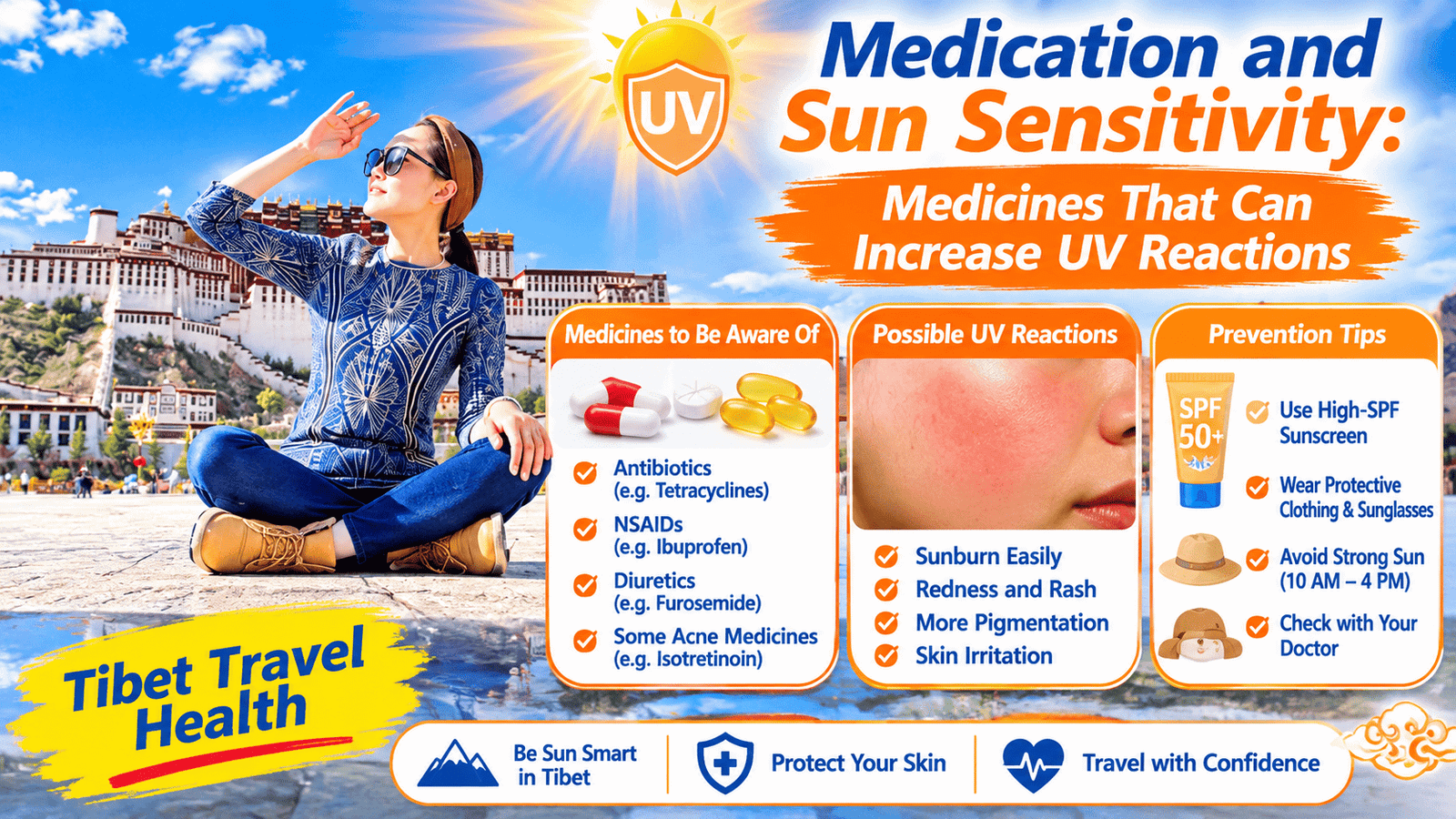
Some medicine groups associated with photosensitivity include:
| Medicine group | Examples or notes |
|---|---|
| Tetracycline antibiotics | Doxycycline and some related antibiotics |
| Fluoroquinolone antibiotics | Some medicines in this antibiotic group |
| Thiazide diuretics | Certain medicines used for high blood pressure or fluid retention |
| Some non-steroidal anti-inflammatory drugs (NSAIDs) | Certain oral or topical anti-inflammatory medicines |
| Some heart medicines | Amiodarone is one example |
| Some antifungal medicines | Voriconazole is associated with photosensitivity |
| Certain psychiatric medicines | Some phenothiazines can cause photosensitivity |
| Some topical skin products | Certain acne treatments, fragrances and other applied products |
This is not a complete list. Medicines within the same group can have different risks, and a drug’s photosensitivity warning may depend on the particular formulation. Check the patient information leaflet and ask your pharmacist or prescribing doctor about your own medicines.
Why Is This Important When Traveling in Tibet?
At high elevations, the atmosphere provides less filtering of ultraviolet radiation. This can increase UV exposure compared with many lower-altitude environments. Travelers may also spend extended periods outdoors, sometimes in areas with little shade. Snow and other bright surfaces can reflect sunlight and increase exposure.
This creates a practical concern for people taking photosensitizing medicines. For example, someone taking a medicine associated with sun sensitivity may develop an exaggerated sunburn during a long sightseeing day, even if they have previously tolerated similar outdoor activities at lower elevations. Cold weather does not remove the risk. You can experience significant UV exposure even when the air feels cool.
Warning Signs of a Photosensitivity Reaction
Pay attention to changes in your skin after outdoor exposure.
Possible warning signs include:
- Redness that appears unusually quickly
- Burning or painful skin
- Itching or an eczema-like rash
- Swelling of exposed areas
- Blistering after sunlight exposure
- A reaction that is much stronger than your usual sunburn
A sharp boundary between exposed skin and skin covered by clothing can be a clue to a phototoxic reaction. However, not every sun-related rash is caused by medication. Ordinary sunburn, heat rash, contact dermatitis and other skin conditions can look similar. Seek medical advice if the reaction is extensive, painful, blistering, worsening or associated with fever or other systemic symptoms.
How to Protect Yourself in Tibet
If you take a medicine that may increase sun sensitivity, use several layers of protection rather than relying on sunscreen alone.
1. Wear Protective Clothing
Cover exposed skin with lightweight, closely woven clothing.
Useful items include:
- Long-sleeved shirts
- Long trousers
- A wide-brimmed hat
- UV-protective sunglasses
- A neck covering or sun-protective scarf
Clothing provides consistent protection and is particularly useful during long sightseeing days.
2. Use Broad-Spectrum Sunscreen
Choose a broad-spectrum sunscreen that protects against both UVA and UVB radiation. SPF 30 or higher is a practical choice for outdoor travel. Apply it according to the product instructions and reapply as directed, particularly after sweating, wiping your skin or prolonged outdoor exposure. Do not forget commonly missed areas such as the ears, back of the neck, hands and the tops of the feet.
3. Reduce Direct Sun Exposure
Where practical:
- Seek shade during periods of strong sunlight.
- Limit long periods of direct exposure.
- Use a hat and sunglasses.
- Take breaks indoors or in shaded areas.
- Check the local UV index when available.
Remember that clouds and cool temperatures do not guarantee low UV exposure.
4. Protect Your Eyes
Some photosensitizing medicines can also increase sensitivity to light affecting the eyes. Wear sunglasses labeled UV400 or 100% UVA and UVB protection. A close-fitting or wraparound design can help reduce light entering around the sides. If you experience eye pain, unusual light sensitivity, blurred vision or persistent redness, seek medical assessment.
Should You Stop Taking Your Medicine Before Traveling?
No. Do not stop a prescribed medicine on your own because it may cause sun sensitivity. Stopping certain medicines suddenly can be dangerous or allow an underlying medical condition to worsen.
Instead:
- Check the medicine leaflet for photosensitivity warnings.
- Ask your doctor or pharmacist whether your specific medicine increases UV sensitivity.
- Discuss whether alternative treatment is appropriate.
- Follow the recommended sun-protection precautions.
- Seek medical advice if you develop a suspected reaction.
In many cases, the medicine can be continued with suitable precautions. Any change in treatment should be decided by the prescribing professional.
What to Do If You Develop a Reaction
If you notice a possible photosensitivity reaction:
- Move out of direct sunlight.
- Cover the affected skin with loose clothing.
- Avoid further UV exposure until the skin has been assessed.
- Use gentle skin care and avoid irritating products.
- Contact a healthcare professional for advice.
Do not deliberately expose the affected area to sunlight to see whether the reaction improves. Seek prompt medical attention for extensive blistering, severe pain, marked swelling, fever, signs of infection or a rapidly worsening rash.
Frequently Asked Questions
Can antibiotics cause sun sensitivity?
Yes. Some antibiotics, including doxycycline and certain fluoroquinolones, can cause photosensitivity. The risk varies by medicine and individual circumstances.
Does sunscreen prevent all medication-related sun reactions?
No. Sunscreen reduces UV exposure but may not provide complete protection. Protective clothing, shade and appropriate medical advice are also important.
Can sun sensitivity happen even on a cloudy day?
Yes. Clouds do not block all ultraviolet radiation. UV exposure can remain significant in overcast conditions.
Are all painkillers photosensitizing?
No. Some medicines in the NSAID group are associated with photosensitivity, but the risk is not the same for every painkiller or formulation. Check your specific medicine.
Should I avoid traveling to Tibet if I take photosensitizing medicine?
Not necessarily. Many people can travel safely with appropriate precautions. Discuss your medicine and itinerary with your healthcare professional before departure.
Internal Links to Add
- Ultraviolet (UV) Radiation in Tibet: Why Sun Exposure Is Stronger at High Altitude
- Best Sun Protection for Tibet: Sunscreen, Clothing and Daily Prevention
- Severe Sunburn in Tibet: Symptoms, Blisters, Treatment and Recovery
- Sunburn at High Altitude: Symptoms, Prevention and Treatment
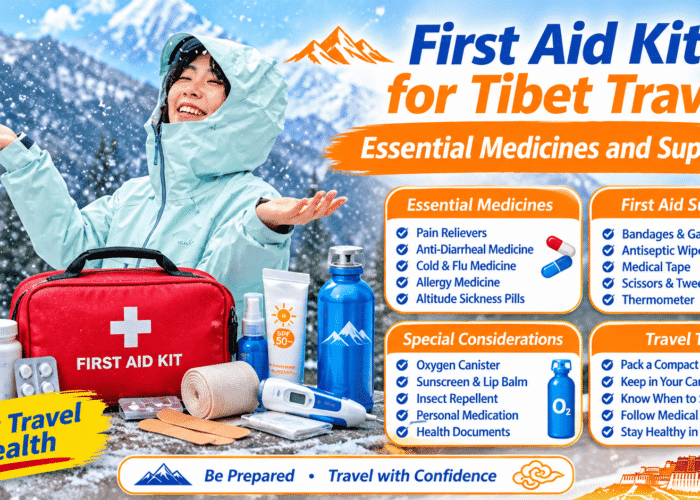
- First Aid Kit for Tibet Travel: Essential Medicines and Supplies
Medical Disclaimer
This article provides general information and does not identify every medicine that can cause photosensitivity. Do not stop or change prescribed treatment without medical advice. Ask your doctor or pharmacist to review your specific medicines before traveling.
References
- U.S. Food and Drug Administration: The Sun and Your Medicine.
- DermNet New Zealand: Drug-Induced Photosensitivity.
- DermNet New Zealand: Photosensitivity.
- U.S. Food and Drug Administration: Tips to Stay Safe in the Sun.