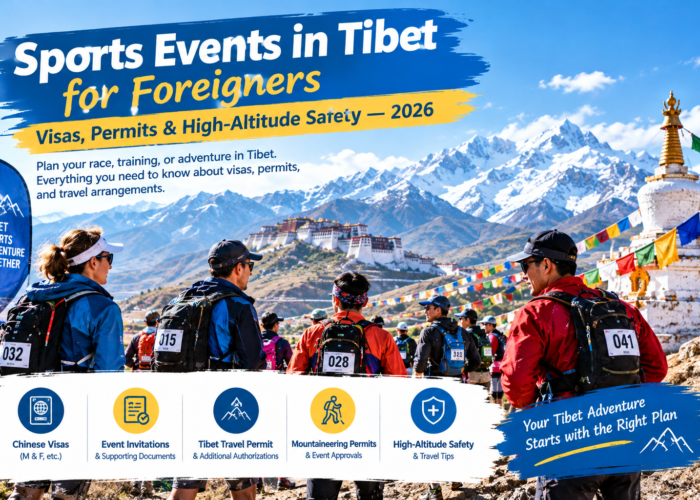

Tibet is one of the most extraordinary places in Asia, and for many travelers, it feels less like a destination and more like a journey into another world. Known as the Roof of the World, it combines dramatic Himalayan scenery, sacred monasteries, deep-rooted Buddhist traditions, and some of the highest landscapes on the planet. If you are planning to visit Tibet in 2026, this complete Tibet Travel Guide will help you understand everything from travel permits and transport to altitude, costs, itineraries, and the best time to go.
Traveling in Tibet is not difficult once you understand the rules, but it does require careful preparation. Because the region sits at very high altitude and has specific travel regulations, a little planning goes a long way. Whether you are interested in Lhasa’s cultural landmarks, the route to Everest Base Camp, or the sacred Mount Kailash pilgrimage, this guide is designed to help you plan with confidence.
Why Visit Tibet?
There are few places in the world where scenery, spirituality, and culture come together as powerfully as they do in Tibet. Travelers are drawn here for many reasons: to see the Potala Palace, to stand before Mount Everest from the Tibetan side, to walk alongside pilgrims on Barkhor Street, or to experience the quiet beauty of sacred lakes and mountain passes.
Tibet is also a place where travel feels meaningful. It is not just about sightseeing. It is about witnessing living traditions, observing everyday Buddhist practice, and moving through landscapes that have shaped Tibetan culture for centuries. For many visitors, that combination makes Tibet one of the most memorable trips they will ever take.
Where Is Tibet?
The Tibet Autonomous Region is located in southwestern China on the Qinghai-Tibet Plateau. It borders Nepal, India, Bhutan, Myanmar, Xinjiang, Qinghai, Sichuan, and Yunnan. With an average elevation of more than 4,000 meters, Tibet is one of the highest regions on Earth.
That altitude shapes nearly every part of the travel experience. It affects temperature, oxygen levels, transportation, and how quickly you should move through your itinerary. Understanding the geography of Tibet is the first step toward smart trip planning.
Can Foreigners Visit Tibet?
Yes, foreign travelers can visit Tibet, but the rules are different from travel in most other regions. Independent travel is not allowed for foreign passport holders in the Tibet Autonomous Region, so you must arrange your trip through a licensed Tibet travel agency.
To enter Tibet, international visitors usually need a valid passport, the correct China entry documents depending on nationality and route, a Tibet Travel Permit, a licensed Tibetan guide, and a pre-arranged itinerary. Some routes and border areas may require additional permits as well. Because travel rules can change, it is always wise to confirm the latest requirements before booking your trip.
Tibet Travel Permit and Visa Rules
The Tibet Travel Permit is the key document for foreign travelers. It is required for all foreign passport holders and is generally arranged by your travel agency. Current 2026 guidance indicates that the permit usually takes around 5 to 10 working days to process, so you should apply well in advance of your departure.youtube
Depending on your route, you may also need extra permits. For example, itineraries beyond Lhasa can require an Alien’s Travel Permit, while border regions or remote western Tibet routes may need a Frontier Permit or additional approvals. If you plan to visit Everest Base Camp or Mount Kailash, ask your agency which documents are needed for your specific itinerary.
The permit process is one of the most important parts of Tibet trip planning. Once your route is confirmed, the agency can help you handle the paperwork and explain what is possible for your travel dates.
How to Get to Tibet
There are three main ways to reach Tibet: by air, by train, and by road. Each option offers a different experience, and the best one depends on your budget, schedule, and sense of adventure.
By Air
Lhasa Gonggar International Airport is the main air gateway into Tibet. Flights connect Lhasa with major Chinese cities such as Beijing, Chengdu, Chongqing, Xi’an, Shanghai, Guangzhou, Kunming, and Xining.
Flying is the fastest and most convenient option for travelers with limited vacation time. It is often the easiest way to begin a Tibet trip, especially if you want to spend more time sightseeing once you arrive.
By Train
The Qinghai-Tibet Railway is one of the most famous train journeys in the world. It climbs gradually across the plateau and gives travelers wide views of mountains, grasslands, and remote high-altitude terrain.
Popular train departure cities include Xining, Beijing, Shanghai, Chengdu, Guangzhou, Xi’an, and Chongqing. Many travelers prefer the train because it offers a slower approach to altitude and a memorable scenic journey.
By Road
Overland travel is the most adventurous way to enter Tibet. Popular routes include Kathmandu to Lhasa via Gyirong Port, the Sichuan-Tibet Highway, the Qinghai-Tibet Highway, and expedition-style Xinjiang-Tibet routes.
These overland journeys take more time, but they are ideal for travelers who want a deeper and more dramatic experience of the Tibetan Plateau. The scenery can be incredible, but road travel also requires flexibility and patience.
Best Time to Visit Tibet
The best time to visit Tibet depends on what you want from your trip. If you want the most reliable weather and the clearest mountain views, spring and autumn are usually the best seasons. If you want festivals and green landscapes, summer is appealing. If you want fewer crowds and lower prices, winter may be the right choice.
Spring: March to May
Spring is one of the best seasons for a Tibet vacation. The snow starts to melt in lower valleys, temperatures become more comfortable, and the scenery begins to brighten again. This is a great time for sightseeing, photography, and overland travel.
Summer: June to August
Summer is Tibet’s warmest season and also the busiest travel period. The grasslands are lush, the lakes are vivid, and festivals bring energy to monasteries and towns. While summer is considered the rainy season, the rain is often lighter in central Tibet than many travelers expect.
Autumn: September to October
Autumn is often considered the best season for a Tibet trip. The skies are usually clear, the air is crisp, and visibility is excellent for mountain photography and long-distance views. It is one of the most reliable times to visit Everest Base Camp and other high-altitude destinations.
Winter: November to February
Winter in Tibet is cold but peaceful. Tourist numbers are lower, prices may be more affordable, and the sunshine in central Tibet can still be strong. For travelers who do not mind the cold, winter can be surprisingly rewarding.
Top Attractions in Tibet
Tibet tourism offers a rare mix of spiritual landmarks, cultural sites, and dramatic natural scenery. Whether you are planning a short Lhasa tour or a longer overland journey, there are several places that deserve a spot on your itinerary.
Lhasa
Lhasa is the cultural and spiritual center of Tibet. It is the best place for first-time visitors to begin their journey, and it contains some of the region’s most important historical and religious landmarks.
- Potala Palace: The Potala Palace is Tibet’s most iconic building and one of the most recognizable landmarks in Asia. Its dramatic position above Lhasa makes it an essential stop on any Tibet travel guide itinerary.
- Jokhang Temple and Barkhor Street: Jokhang Temple is one of the holiest sites in Tibetan Buddhism. Nearby Barkhor Street gives visitors a close look at pilgrim life, local commerce, and the daily rhythm of the old city.
- Everest Base Camp: Traveling to Everest Base Camp from the Tibetan side is one of the most popular adventures in Tibet. The route offers vast landscapes, high mountain passes, and unforgettable views of the Himalayas.
- Mount Kailash: Mount Kailash is a sacred peak and a major pilgrimage site. The journey here is physically demanding but deeply meaningful for many travelers and pilgrims.
- Yamdrok Lake and Namtso Lake: These high-altitude lakes are known for their beauty, scale, and spiritual significance. They are among the most scenic locations in Tibet and are often included in road trips from Lhasa or Shigatse.
- Nyingchi: Nyingchi is one of the greenest and mildest regions in Tibet. It is especially beautiful in spring, when peach blossoms make the valleys look especially colorful and fresh.
Altitude and Health Considerations
Altitude is one of the most important things to prepare for before traveling to Tibet. Because the region is so high above sea level, many visitors need time to adjust to the thinner air.
Common altitude symptoms include shortness of breath, headache, dizziness, and trouble sleeping. The best way to reduce risk is to travel slowly, rest on your first day, drink plenty of water, and avoid heavy physical activity early in your trip.
If you are going to Everest Base Camp or Mount Kailash, altitude becomes even more important. A slower itinerary is generally better than rushing from one destination to another.
Tibet Itinerary Ideas
A good Tibet itinerary should balance sightseeing with acclimatization. The right route depends on how much time you have and how adventurous you want your trip to be.
5-Day Tibet Itinerary
A 5-day itinerary usually focuses on Lhasa and nearby highlights. It is a good option if you have limited time and want a lighter, more relaxed introduction to Tibet.
7-Day Tibet Itinerary
A 7-day itinerary is one of the most popular choices. It often includes Lhasa, Gyantse, Shigatse, and possibly Everest Base Camp. This gives you a fuller experience of Tibet without making the trip too rushed.
8-Day Tibet to Everest Base Camp Itinerary
This is a classic Tibet tour and a favorite among first-time visitors. It usually includes Lhasa, Yamdrok Lake, Gyantse, Shigatse, and Everest Base Camp.
10-Day Tibet Itinerary
A 10-day itinerary allows for more flexibility, slower acclimatization, and a more comfortable pace. It is a good choice for travelers who want a deeper experience.
12-Day Tibet Itinerary
A 12-day trip is ideal if you want to go beyond the basics. It gives you more time for cultural sightseeing, scenic drives, and less rushed travel.
14-Day Tibet and Mount Kailash Journey
A 14-day itinerary is best for travelers who want to visit Mount Kailash or take a more demanding overland route. These trips require more energy and planning, but they can be the most rewarding of all.
How Much a Tibet Trip Costs
Tibet travel costs can vary a lot depending on the route, season, transport, and level of comfort. A short Lhasa tour will usually cost much less than a long overland journey to Everest Base Camp or Mount Kailash.
Based on current 2026 travel information, many travelers spend around USD 950 to 2,500 per person for a 7 to 10-day Tibet trip, depending on the itinerary and travel style. Some shorter group tours may start at around USD 460 for a 4-day Lhasa trip in the winter season, while longer or more remote itineraries tend to cost more because of added logistics and transport. These numbers can rise if you choose a private tour, high-end accommodation, or more remote destinations.tibetyulong+2
What Affects the Price?
Several factors influence the total cost:
- Trip duration.
- Season of travel.
- Group tour versus private tour.
- Hotel category.
- Transportation type.
- Extra permits.
- Remote route logistics.
- Number of destinations included.
General Budget Ranges
A budget Tibet trip usually means shorter routes, shared tours, and simpler accommodation. A mid-range trip often includes more comfort, better hotels, and a longer itinerary. Premium trips may involve private service, custom routes, and remote destinations that require more coordination.
If you want the best value, group tours are usually the most affordable option. Private trips cost more but offer more flexibility and personalization.
What to Pack for Tibet
Packing for Tibet is all about layers. Even when the sun feels warm, the air can be cool, dry, and thin, especially in the morning and evening.
Your packing list should include a waterproof outer jacket, fleece or insulated layers, long-sleeve shirts, hiking pants, warm socks, gloves, a hat, sunglasses, sunscreen, lip balm, and comfortable walking shoes. If you are heading to Everest Base Camp or Mount Kailash, pack extra warm clothing even if you are traveling in summer.
Essential Tibet Travel Tips
A smooth Tibet trip starts with smart planning. These practical tips can help make your journey easier:
- Book through a licensed Tibet travel agency.
- Apply for permits early.
- Allow time to acclimatize.
- Pack for sudden temperature changes.
- Protect yourself from strong UV radiation.
- Drink water often.
- Keep your first day relaxed.
- Respect local customs and monastery etiquette.
- Bring cash for remote areas.
- Keep your itinerary realistic and flexible.
These simple tips can make a major difference in comfort and enjoyment, especially for first-time travelers.
Final Thoughts
Tibet is one of the most unforgettable destinations in the world. It offers a rare blend of spiritual depth, cultural richness, and dramatic landscapes that stay with travelers long after the journey ends. If you plan carefully and give yourself enough time to adjust to altitude, your Tibet trip can be both comfortable and deeply rewarding.
Use this Tibet Travel Guide as the starting point for your Tibet trip planning. Then choose your route, timing, and pace based on your interests and travel style. Whether you want to explore Lhasa, stand near Everest Base Camp, or take on the Mount Kailash pilgrimage, Tibet has the power to turn a trip into a true once-in-a-lifetime experience.